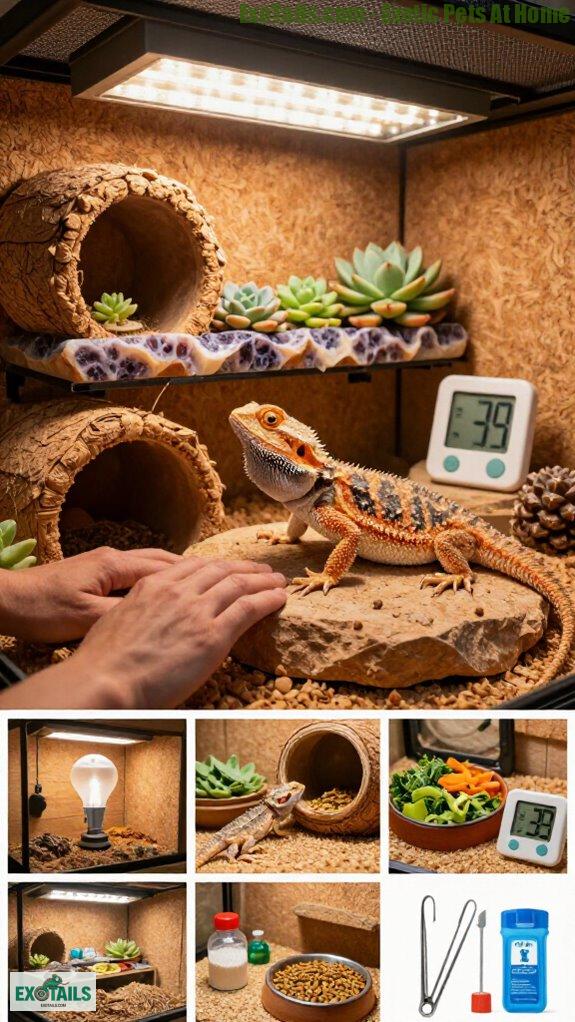
Why Dragons Make Long-Term Pets
The steady, rewarding companionship of bearded dragons—decades of personality, predictable care, and quirky habits—may make them the perfect long-term pet, but…
Why Dragons Make Long-Term Pets
Ever wondered if a scaly companion could genuinely transform your living situation? Bearded dragons aren’t just aesthetic terrarium inhabitants—they’re decade-long commitments that actually *reciprocate* affection.
—
I’ve been running ExoTails for years, documenting exotic pet journeys that matter. My bearded dragon Barnaby and axolotl Mr Wiggles aren’t just subjects—they’re my accountability partners in this reptilian odyssey. These creatures taught me that patience breeds personality, and consistency unlocks trust.
—
The non-negotiables? Premium UVB lighting (Reptisun or Zoo Med fixtures are legit), enclosures meeting species-specific dimensions, temperature gradients, and veterinary vigilance. You’re investing genuine capital and temporal bandwidth here.
But here’s the kicker: that investment compounds into quirky behavioral patterns, reliable routines, and genuine inter-species companionship.
—
When Barnaby Chose Me
Last winter, Barnaby refused food for three weeks. Panic consumed me until our vet identified a calcium deficiency—my supplementation protocol had gone slack. Realizing this sentient being depended on my *intentional* care shifted everything. Now, that responsibility feels sacred, not burdensome.
—
Ready to commit? ExoTails documents the unglamorous reality of long-term exotic care.
Quick Takeaways
- Long lifespan (10–15+ years) makes bearded dragons a durable, long-term companion for committed owners.
- Predictable, friendly behavior and easy taming offer consistent companionship over many years.
- Manageable daily care routines and clear life-stage feeding reduce long-term maintenance complexity.
- A well-designed habitat and proper lighting support lifelong health and natural behaviors.
- Regular vet care, emergency planning, and budgeting ensure sustainable ownership and long-term wellbeing.
Quick Answer: Is a Bearded Dragon a Long-Term Pet?
Curious if a bearded dragon counts as a long-term pet?
I say yes — bearded dragon companionship often means a decade-plus long term commitment, so plan accordingly. With proper care requirements, these reptiles can live 10-15 years in captivity, making them a significant but rewarding responsibility. The foundation of that care begins with creating the perfect enclosure to ensure their health and wellbeing.
Want a calm, predictable buddy that needs steady lighting, safe temperatures, and regular vet checks? I’ve kept oddball reptiles and tasteful terrariums, so I’m picky about safety, and you should be too.
Think yearly checkups, proper UVB, and careful feeding, not weekend novelty care. Ready for responsibility, not just Instagram props?
That commitment rewards you with reliable behavior, fascinating habits, and a pet that grows into true companionship.
Bearded Dragon Lifespan: What Years to Expect and Why
You’re thinking long-term, and that means asking how many years a bearded dragon will actually be part of your life — not just how cute it looks on your feed.
Expect 8–12 years with good care, sometimes up to 14 or rare 18-year legends.
Why does that range happen? Growth factors like genetics, diet, and vet care matter, and the environmental impact of lighting, temperature, and humidity is huge. Maintaining the optimal climate with proper temperature gradients and humidity levels directly supports immune function and longevity.
Want safety? Proper UVB, clean habitat, and regular checkups cut risks like metabolic bone disease.
Curious how much work? Yes, it’s a decade-plus commitment, and worth it — I’ve kept one beside my ficus, very dignified.
Understanding bearded dragon lifespan helps owners prepare for their pet’s long-term needs.
Bearded Dragon Daily Care by Life Stage (Juvenile → Senior)
A bearded dragon’s daily needs shift a lot as it grows, and I’ll walk you through what to expect at each stage so you’re not surprised when baby energy becomes dignified senior chill.
Juvenile care means frequent feedings, protein-heavy feeding schedules, short handling, and close monitoring for growth—think lively little lizards and guarded safety. Young bearded dragons typically need to eat multiple times daily to support their rapid development.
Adult care moves to balanced meals, fewer insects, consistent vet checks, and moderate handling; I’ve rearranged decor once to dodge a curious climber.
Senior care focuses on gentle handling, hydration soaks, softer greens, more frequent checks, and gradual habitat adjustments to keep comfort and mobility high.
As they age, bearded dragons also require thoughtful vegetable selection to match their changing digestive needs and activity levels.
Long-Term Habitat Needs: Enclosure, Lighting, Substrate
Now that we’ve covered how daily care shifts from a scrappy juvenile to a mellow senior, let’s look at the long-term home your beardie will actually live in, because that terrarium is more like a tiny, climate-controlled apartment than a glorified fish tank.
I’ll walk you through safe choices, practical examples, and a bit of pet-owner sass. Want specifics?
- enclosure size: adult tanks, 4x length rule, clear habitat safety planning
- lighting types & temperature gradients: UVB bulbs, basking spot 95–105°F, cool end ~75°F
- substrate options & humidity levels: reptile carpet, tiles, 50–60% when shedding
- maintenance routines, feeding frequency, decorative elements, visual enrichment, cleaning schedule
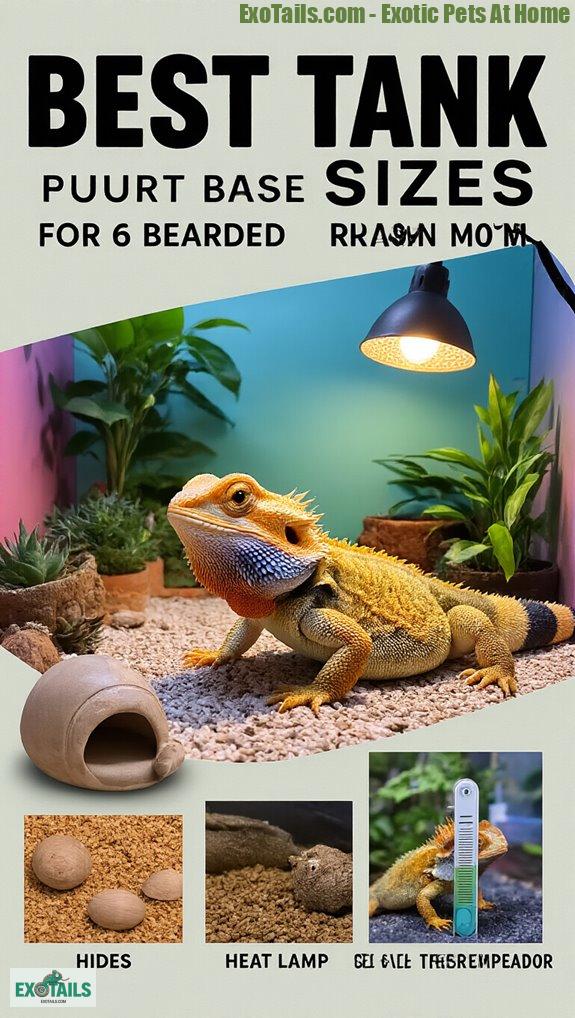
When selecting your dragon’s permanent residence, a 75 gallon habitat provides the ideal spacious environment that allows for proper temperature gradients and enrichment opportunities throughout their 10-15 year lifespan. Many experienced keepers ultimately recommend 120 gallon terrariums as the superior long-term investment for adult dragons, providing ample room for full body thermoregulation and natural behaviors like digging and climbing.
Ongoing Health Costs: Annual Vet, Parasites, Age-Related Care
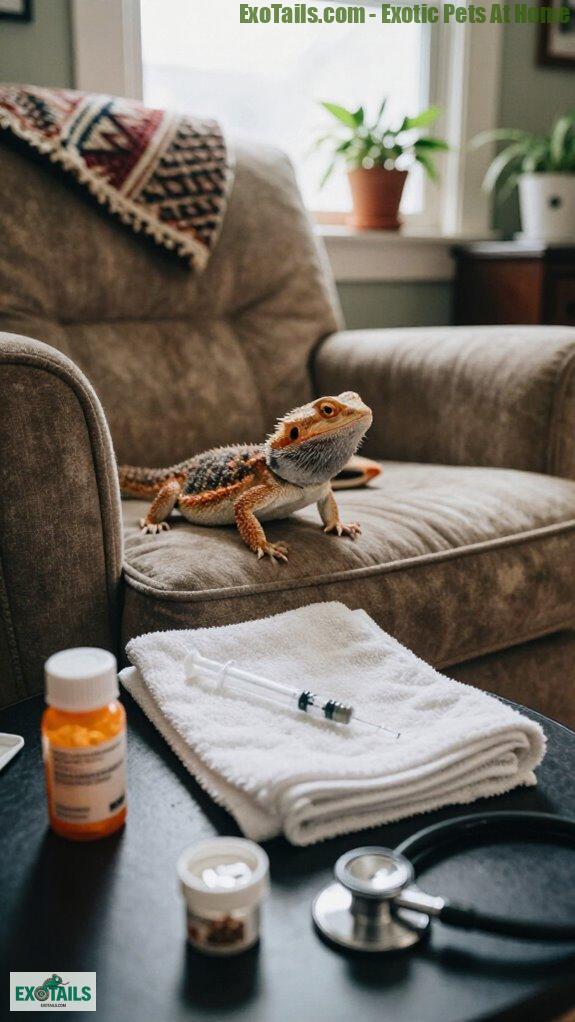
Because long-term care adds up, I want you to see the real costs before your beardie becomes a decade-long roommate who judges your décor choices. Watch for respiratory infection signs like wheezing or mucus, as these common issues can quickly turn into expensive vet visits.
I track ongoing health costs closely, so you won’t get surprised. Expect annual vet visits for exams, bloodwork, and fecal tests, about once a year, sometimes more if issues pop up. Female beardies may also need egg laying care including calcium supplementation and nesting areas to prevent serious health complications.
Parasite management can mean meds and repeat checks, especially after new tankmates or travel. Age related care ramps up later, with softer diets, joint monitoring, and more frequent check-ins.
Want safety? Budget, plan, and ask your vet, and yes, my lizard gave my sofa a side-eye.
Will a Bearded Dragon Fit Your Lifestyle? Moving, Travel, Family Changes
If you’re planning to move, travel a lot, or expect family changes down the road, think of a bearded dragon like a tiny, scaly roommate who needs steady routines, not spontaneous adventures—will you be that steady person?
I’ve kept exotic pets and matched terrarium style to my home, so I ask: can you provide stable bearded dragon care, even when life shifts? The right carrier features can make all the difference for stress-free transport during any transition.
- Moving? Secure enclosure, transport box, and maintained temperatures.
- Travel? Trusted pet-sitter, clear care list, and travel considerations for short absences.
- Growing family? Safe handling rules and child supervision.
- Emergencies? Local reptile vet access, clear contingency plans.
For longer journeys, invest in one of the top travel carriers designed specifically for reptile safety and temperature control.
Planning Long-Term: Budget, Emergency Plans, Prevention & Rehoming Criteria
Budgeting for a decade-plus commitment may sound like doom-and-gloom, but it’s really just sensible planning—ask yourself, can you afford steady care, surprises, and the occasional “what-the-heck” vet bill?
I map out budget planning: enclosure upgrades, UVB bulbs every six months, yearly vet checks, and food. Since bearded dragons grow rapidly during their first year, you’ll need to account for upgrading tank sizes multiple times before they reach adulthood.
Emergency readiness means a savings buffer, a vet on call, and a go-bag with meds, heating pads, and records.
Care prevention is routine husbandry, hydration soaks, and parasite checks to avoid crises.
Rehoming considerations? I list trusted friends, rescue groups, and clear criteria before emotions hijack decisions.
Proper temperature gradients are essential for long-term health and should be factored into both initial setup costs and ongoing electricity expenses.
Ancient Draco Subspecies Care
When we talk about Ancient Draco subspecies care, I want you to picture a bearded dragon with an old-soul vibe—one that needs the same solid husbandry as any Pogona, but with a few extra considerations because these lineages can show quirky quirks and slower maturation.
- Enclosure design: roomy, layered hides, UVB, temps matching ancient habitats, secure and clean. Creating a naturalistic habitat with live plants and cork bark tunnels can significantly reduce stress in these sensitive elder lineages.
- Draco diet: varied insects, greens, calcium timing, careful portioning to avoid obesity.
- Social behavior: mostly solitary, gentle handling, watch stress signals.
- Reproduction strategies: monitor cycles, vet consults, safe nesting setups.
I mention historical significance, conservation efforts, and practical care tips—yes, even my modest geode shelf approves. For these elder lineages, maintaining stable thermal gradients is particularly crucial given their slower metabolism and extended basking needs.
Best Products to Use
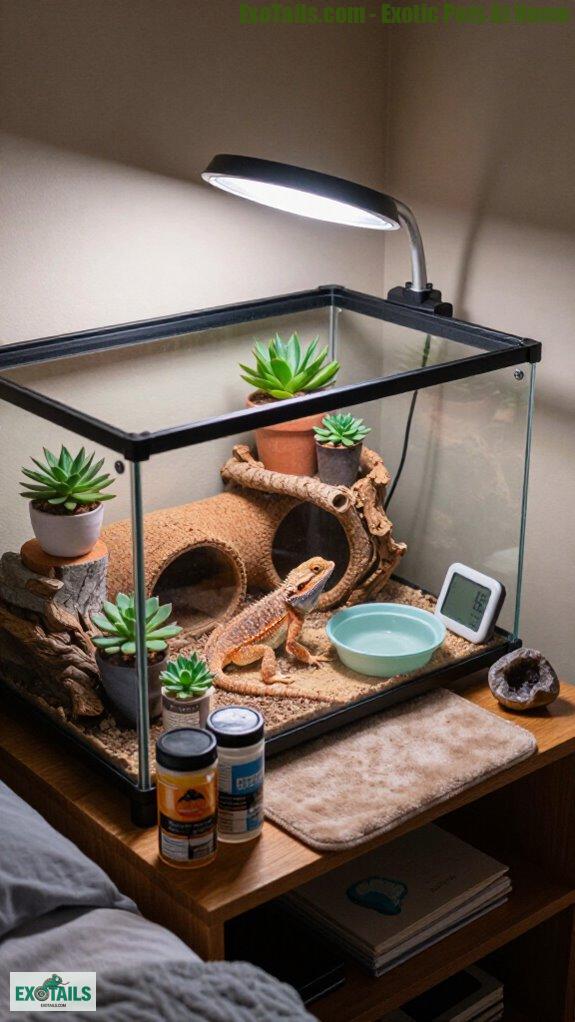
Because good gear makes great dragons, I’m going to walk you through the products I actually trust for long-lived bearded dragons, and why they matter—no fluff, just solid choices that keep your scaly roommate healthy and happy.
Pick ideal lighting: full-spectrum UVB bulbs, replaced every six months, plus a basking lamp for proper temps. Bearded dragons require adequate UVB exposure of 10-12 hours daily to synthesize vitamin D3 and prevent metabolic bone disease.
Monitor essential humidity with a hygrometer during sheds. Choose safe substrate options like reptile carpet or tile, avoid loose sand.
Balance dietary balance with gut-loaded insects and calcium supplements. Add habitat accessories, hides, and branches for activity enrichment and stress reduction, matching temperament traits.
Don’t overlook essential supplements for bearded dragon nutrition, as they provide critical vitamins and minerals that prevent metabolic bone disease and support overall health.
Trust me, I’ve styled homes for pets and people.
FAQ
How Do Bearded Dragons Socialize With Other Reptiles or Pets in the Home?
They rarely socialize with other reptiles or pets; I supervise any social interaction closely, use habitat enrichment to reduce stress, separate species for safety, and quarantine newcomers to protect health and prevent aggression.
Can Bearded Dragons Be Trained to Tolerate Handling or Perform Simple Behaviors?
Yes — I can train a bearded dragon to tolerate handling and learn simple cues; I use gentle handling techniques, short sessions, positive reinforcement, and gradual desensitization to guarantee safety, consistency, and stress-free behavior training.
What Legal or Permit Requirements Exist for Owning Exotic Reptiles Locally?
Local regulations vary, so I check city and state laws and contact wildlife agencies; I get any required exotic permits, register my reptile, follow safety rules for transport and quarantine, and keep permit paperwork accessible.
How Do Seasonal Daylight Changes Affect Breeding or Hormonal Behavior?
Seasonal daylight changes trigger hormonal fluctuations; I adjust light cycles to mimic longer days for seasonal breeding, monitor behavior closely, and take safety precautions like separated housing and vet checks to prevent stress or unintended breeding.
Are There Ethical Considerations for Buying vs. Adopting Older Dragons?
I do think there are ethics of purchasing vs. adopting older dragons: coincidence felt like finding a lone lamp on a porch; I’d weigh adopting considerations—rescue needs, vet history, lifespan commitment, and safety for both dragon and home.
References
- https://www.petmd.com/reptile/how-long-do-bearded-dragons-live
- https://petsontheshorevh.com/storage/app/media/Reptiles/bearded-dragon-care-sheet-pdf.pdf
- https://www.birdexoticsvet.com/bearded-dragon-vet
- https://www.youtube.com/watch?v=qRgDt0cICyg
- https://www.chewy.com/education/reptile-and-amphibian/bearded-dragon/bearded-dragon-lifespan