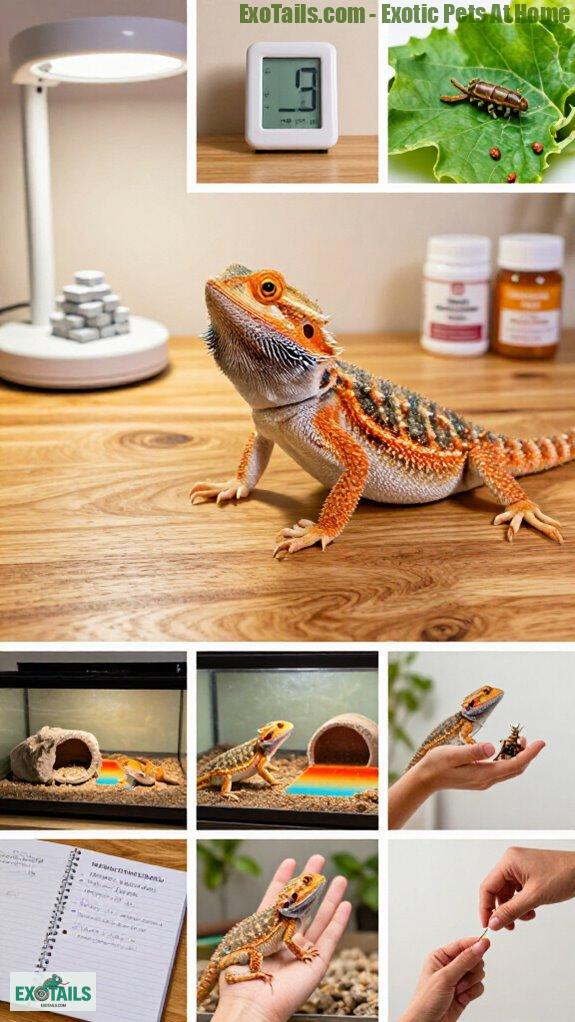
How to Care for Bearded Dragons Long-Term
Never miss critical husbandry tips for a decade-plus bearded dragon lifespan—discover the essential habitat, diet, and health steps to keep yours thriving.
Bearded Dragons Aren’t Just Pets—They’re Family
Ever wondered if a scaly reptile could genuinely transform your life? They absolutely can.
—
Barnaby arrived at my door three years ago, a finger-sized juvenile with the attitude of a miniature dinosaur. Watching him flourish alongside my axolotl Mr Wiggles taught me that exotic pet care isn’t just about husbandry—it’s about devotion. These creatures depend entirely on us. That responsibility resonated so deeply that I launched ExoTails, my blog dedicated to demystifying reptile care. Every post stems from real trials with these two.
The Night Barnaby Stopped Eating: A Turning Point
I remember the panic. Barnaby, usually ravenous, rejected crickets for three days straight. My hands trembled as I dialed the exotic vet. Turns out, his Zen Habitats enclosure’s UVB intensity had degraded—a rookie mistake I’d overlooked. That harrowing moment crystallized everything: proper gear isn’t negotiable. Since upgrading to premium T5 fixtures and implementing monthly weight checks, Barnaby thrives. Mr Wiggles watches from his tank, equally flourishing. These experiences fuel every ExoTails article.
—
Long-term bearded dragon success demands commitment: spacious 4×2×2+ enclosures, potent UVB output, precise thermal gradients (95–105°F basking zones), quality substrates like Zen Habitats’ reptile carpet, and dynamic nutrition—insect-forward juvenile diets transitioning to leafy greens. Calcium supplementation isn’t optional. Daily feeding for juveniles, monthly weight surveillance, gentle handling protocols, and consistent veterinary consultations create longevity.
Quick Takeaways
- Provide a permanent, escape-proof enclosure of at least 40–120 gallons with proper ventilation and arid habitat furnishings.
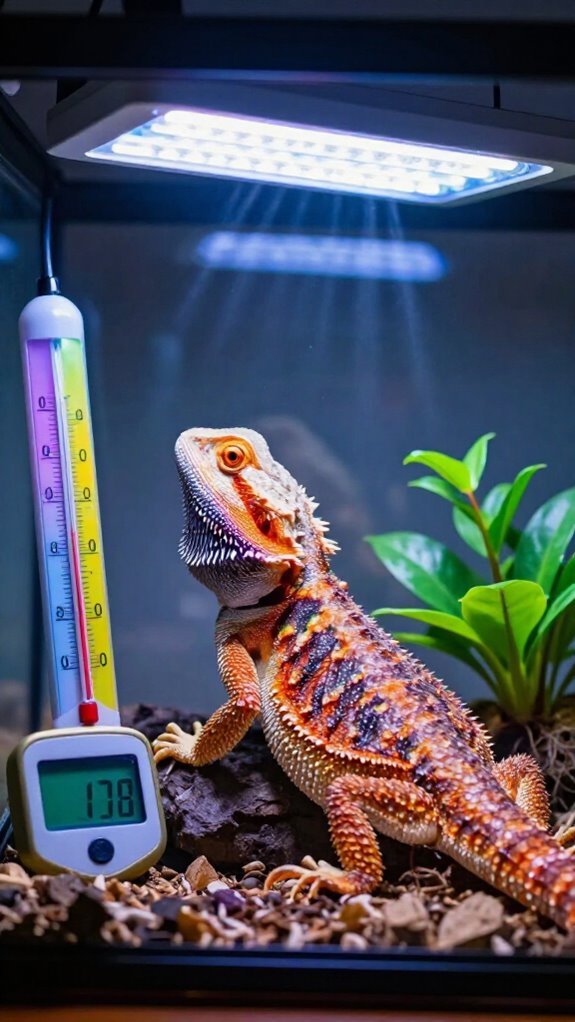
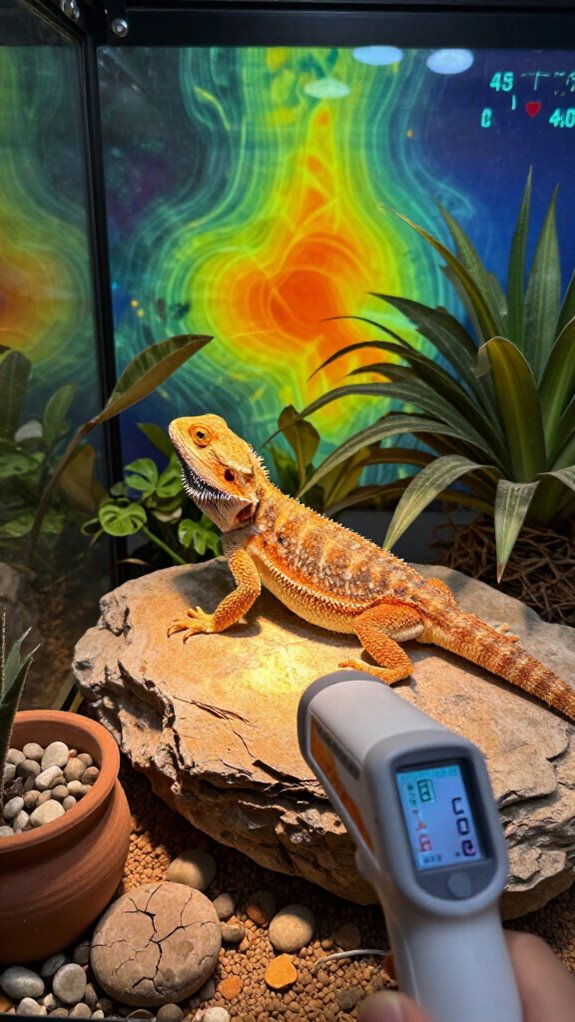
- Maintain a temperature gradient with a 95–105°F basking spot and 75–85°F cool side using thermostats and reliable heat sources.
- Install full-spectrum T5 UVB lighting (10.0) and supplement calcium/vitamin D3 to prevent metabolic bone disease.
- Feed age-appropriate diets: protein-heavy insects for juveniles, leafy greens for adults, and softer foods for seniors.
- Perform daily health checks, monthly weight/shedding tracking, and annual vet visits for early problem detection.
Quick Answer and 5 Tips to Extend a Bearded Dragon’s Life
If you want your bearded dragon to live a long, healthy life, start with the basics and don’t skimp—because poor husbandry is the number-one killer, not bad luck. With dedication to optimal conditions, many owners see their reptiles reach the upper end of the typical lifespan range.
I’ll give a quick answer: expect 8–12 years with proper care, sometimes longer.
Want tips? Prioritize consistent feeding, calcium, clean water, vet checks, and safe handling. Those longevity factors matter more than genetics.
Ask yourself, are you ready for routine and vigilance? I’ve kept exotic pets and balanced them with tasteful home decor, so yes, it’s doable.
Be precise, be proactive, and enjoy a healthier bearded dragon lifespan—no miracles required.
A bearded dragon can become a decade-long commitment, so evaluating your lifestyle before bringing one home is essential.
Set Up a Permanent Tank: Size, Lighting, Temperature
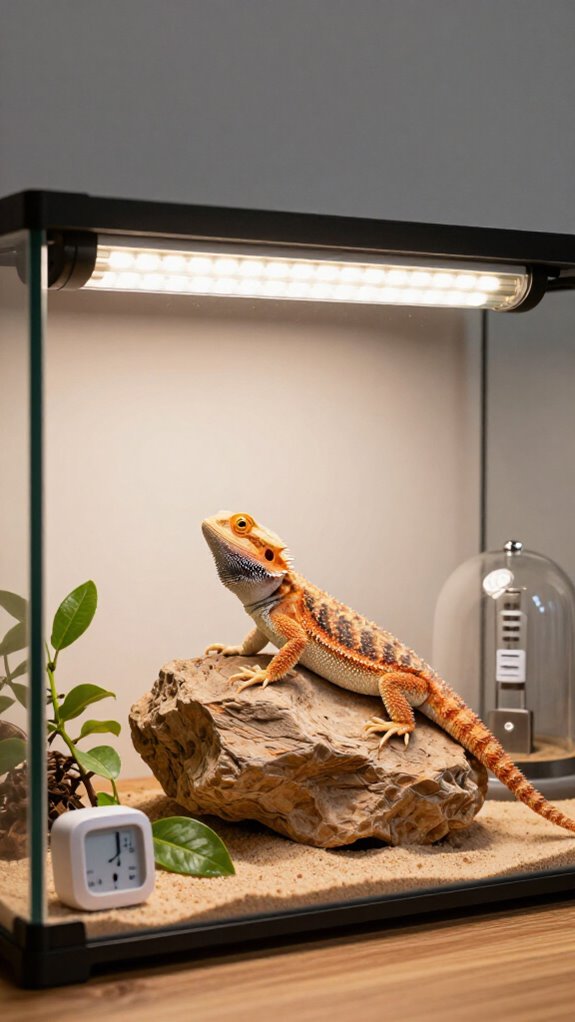
Almost every bearded dragon owner I know underestimates how big a “permanent tank” really needs to be, and I don’t blame them — tank shopping looks easy until you start measuring. A proper enclosure setup mimics their natural arid habitat to reduce stress and encourage normal behaviors.
Pick tank dimensions that give an adult 40–120 gallons, usually 4×2×2 feet, so your dragon can move and thermoregulate safely.
Choose lighting types: full-spectrum UVB, bright basking bulbs, and a cooler side lamp.
Create clear temperature gradients, with a basking spot around 95–105°F and a cool zone near 75–85°F.
Use safe substrate options like reptile carpet or tile, not loose sands.
Want cozy décor? I’ve arranged rocks like tiny furniture, naturally.
Understanding the optimal tank size helps prevent common health issues related to inadequate space and improper thermoregulation.
Bearded Dragon Nutrition by Life Stage (Juvenile → Senior)
You’ve got the tank set up, the basking rock staged like a tiny throne, and the UVB humming — now let’s talk food.
For hatchlings and juveniles I feed a protein-heavy juvenile diet: lots of gut-loaded crickets, dubia roaches, finely chopped greens, and daily calcium dusting, because growing bones demand it. Young bearded dragons typically need 2-3 feedings daily to support their rapid growth and high metabolism. Employers rely on essential calcium supplements to prevent metabolic bone disease during these critical developmental months.
Around one year I shift ratios toward more vegetables, reducing insects gradually.
Adult nutrition centers on leafy greens, veggies, occasional insects, and consistent calcium with vitamin D3 as needed.
Seniors need softer foods, smaller meals, and vet checks more often.
Want safety? Measure portions, avoid wild-caught prey, and monitor weight weekly.
Daily & Monthly Health Checks: Warning Signs and Emergencies
When I open my bearded dragon’s tank each morning, I check more than just whether he’s basking on his throne like a tiny, scaly monarch — I look for the little things that tell me if he’s thriving or if something’s quietly wrong.
I scan eyes, skin, stool, appetite, and movement, practicing symptoms vigilance daily. Monthly, I chart weight and shedding patterns, and review emergency protocols with my vet—because who likes surprises? During skin checks, I pay special attention to moisture-trapped areas where scale rot commonly begins, making sure to spot any discoloration before it spreads. I also watch for respiratory infection signs like mouth breathing or mucus bubbles, since early detection prevents serious complications.
| Check | What to watch | Action |
|---|---|---|
| Eyes | Cloudy, sunken | Vet |
| Stool | Loose, bloody | Hydrate/vet |
| Weight | Loss >10% | Investigate |
| Behavior | Lethargy | Warmth/vet |
| Breath | Wheeze | Urgent care |
Handling, Enrichment, and Behavior for Long-Term Wellbeing
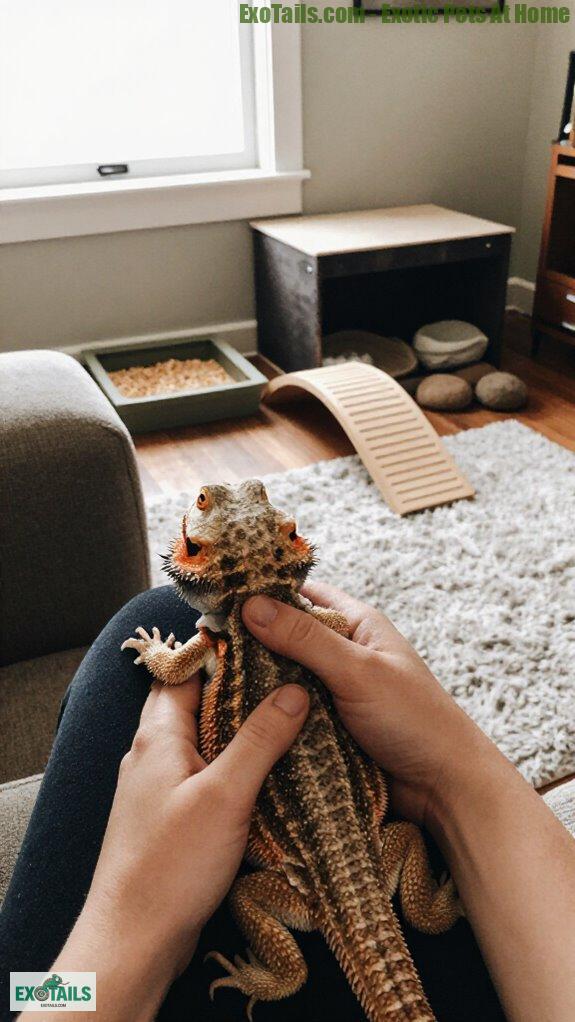
Handling and enrichment are where care turns into a relationship, and I’ll show you how to make it a good one without turning your living room into a reptile obstacle course.
I handle my dragon gently, supporting chest and tail, moving slowly so trust grows, not stress. Proper calcium and vitamin supplementation supports their nervous system and bone health, keeping them calm and responsive during handling sessions.
Want safe social interaction? Short, regular sessions work—five to fifteen minutes several times daily, increasing as they relax.
Offer supervised playtime activities like foraging boxes, low ramps, and tug toys, rotating items weekly to prevent boredom.
I’ve used tasteful hides that match my decor, and yes, your dragon will appreciate predictability, boundaries, and a little silly enrichment.
Enrichment materials such as textured surfaces and climbing structures can stimulate natural behaviors and reduce stress in captive reptiles.
Expected Costs and Emergency Planning Across Your Dragon’s Life
Because a bearded dragon can live a decade or more, I want you to think of their care as a long-term budget plan, not a weekend hobby — and yes, I once balanced a gorgeous oak side table next to a reptile stand, so you can have style and vet bills. Essential guide resources can help you prepare for every stage of ownership. Expect setup costs first: tank, lighting, substrate, hides, about $300–800. Then monthly food and supplements $20–60. Plan annual vet checks and occasional emergency vet expenses, which can be $100–500+. Creative layouts for reptile habitats can enhance both your home’s aesthetic and your dragon’s wellbeing. Have insurance options in mind, compare plans, and build a savings cushion. Emergency readiness saves stress and lives — ready?
Breeding Seasonal Color Morphs
If you want brighter, more dramatic color morphs in your bearded dragons, you’ll need to think like a seasonal stylist, not a weekend hobbyist — and yes, I’ve balanced a gorgeous oak side table next to a reptile stand, so I know you can have both flair and function.
Want bolder hues safely? Use careful breeding techniques and respect color genetics, don’t chase quick flashes.
Time pairings around brumation cycles, monitor health, and avoid inbreeding.
Offer consistent UV, diet, and low-stress handling so offspring develop fully.
Curious which traits pair well? Ask your vet or trusted breeder, and don’t skip genetic records — safety first, showy second.
Successful breeding also requires precise temperature adjustments that mimic natural seasonal shifts to trigger reproductive behaviors.
Best Products to Use
When you’re ready to kit out a bearded dragon’s home, I’ll start by saying you don’t need to buy every flashy gadget on the market, but you do need a few essential, high-quality pieces that actually work—think reliable UVB, a solid heat source, and a roomy enclosure that mimics that warm, arid Australian vibe. For optimal UVB coverage across the entire enclosure, T5 UVB tubes are the gold standard and far superior to compact coil bulbs.
What enclosure options suit safety first? Glass tanks with screened lids, or purpose-made PVC/wood vivaria, both work if ventilated and escape-proof.
Essential equipment includes a 10.0 UVB tube, ceramic heat emitter, thermostat, quality substrate like reptile carpet, and a shallow water dish. Trust proven brands; your dragon deserves it.
Investing in high-quality light fixtures ensures your UVB and heat lamps deliver consistent output and protect against premature burnout or dangerous temperature swings.
FAQ
Can Bearded Dragons Live Outdoors Year-Round in Warm Climates?
Yes — I can, but only with a secure outdoor habitat and careful temperature regulation; I’d provide shelter, UV access, predator protection, and heat gradients, monitor weather closely, and bring them indoors if temperatures or safety become risky.
How Do I Safely Introduce a Second Bearded Dragon?
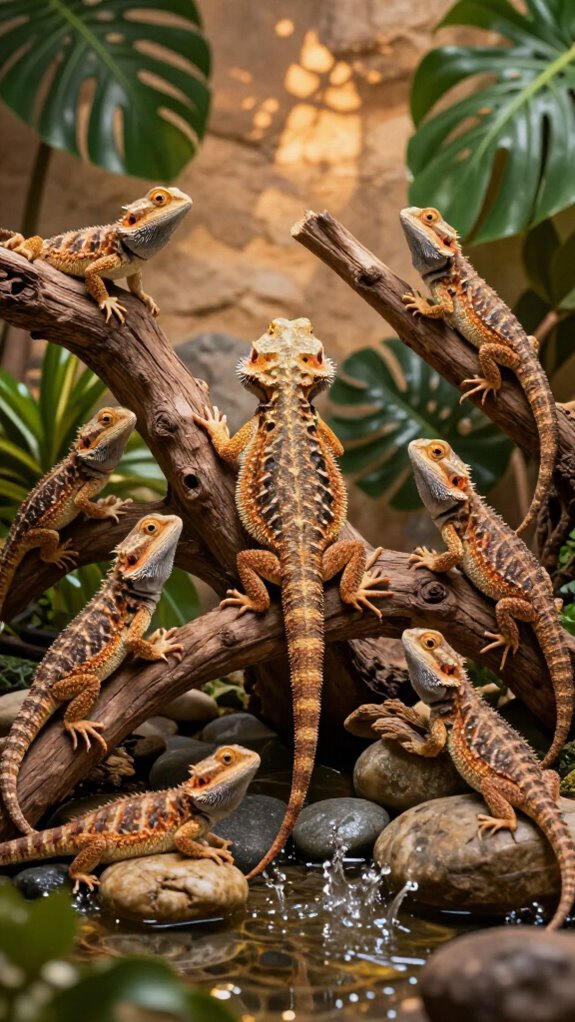
Like planting two trees side-by-side, I introduce a second bearded dragon slowly: quarantine, neutral territory, supervised short meetings, separate hides, monitor group housing risks, respect behavioral considerations, use gradual introduction techniques to protect social dynamics.
What Insurance Covers Exotic Pet Veterinary Care?
Exotic pet insurance can cover accidents, illnesses, diagnostics, surgery, and sometimes wellness; I recommend comparing coverage options, exclusions, and reimbursement rates so you’re confident your bearded dragon gets safe, timely veterinary care when needed.
How to Preserve a Deceased Bearded Dragon for Keepsake?
I’ll suggest preserving methods like refrigeration then taxidermy or freeze-drying, and memorial ideas such as a shadow box or cremation keepsake; I’ll advise using licensed professionals and safe handling with gloves and disinfectant.
Do Bearded Dragons Recognize and Remember Their Owners?
Yes, like a sun-seeking lizard, I believe bearded dragon recognition happens; I’ve seen owner bonding form through regular handling, feeding, and calm routines, so keep interactions gentle, consistent, and safety-focused for trust to grow.
References
- https://www.petmd.com/reptile/how-long-do-bearded-dragons-live
- https://vetcarehosp.com/2024/09/15/fascinating-facts-about-bearded-dragons/
- https://reptizoo.store/blogs/reptizoo-reptiles-blogs/how-long-do-bearded-dragons-live
- https://www.allanimalsvet.com/interesting-facts-about-bearded-dragons/
- https://petsontheshorevh.com/storage/app/media/Reptiles/bearded-dragon-care-sheet-pdf.pdf
- https://www.youtube.com/watch?v=spUtMPOYn6U
- https://a-z-animals.com/animals/bearded-dragon/how-long-do-bearded-dragons-live/