3 Best Tips for Dragon Lifespan Care
Lifelong bearded dragon care hinges on three essential tips—learn the feeding, lighting, and cleaning secrets that could add years to your pet’s life.
3 Best Tips for Dragon Lifespan Care
Your scaly buddy‘s longevity hinges on three non-negotiable pillars—and honestly, nailing these transforms you from casual pet owner to reptile custodian extraordinaire.
I’ve got Barnaby, my bearded dragon, and Mr Wiggles, my axolotl, to thank for this obsession. Watching Barnaby’s transformation after I corrected his calcium deficiency hit different—suddenly, he wasn’t lethargic, and his appetite roared back. Those moments sparked ExoTails, my blog, where I chronicle every triumph and mishap so others dodge the same pitfalls.
Nutrition & Supplementation
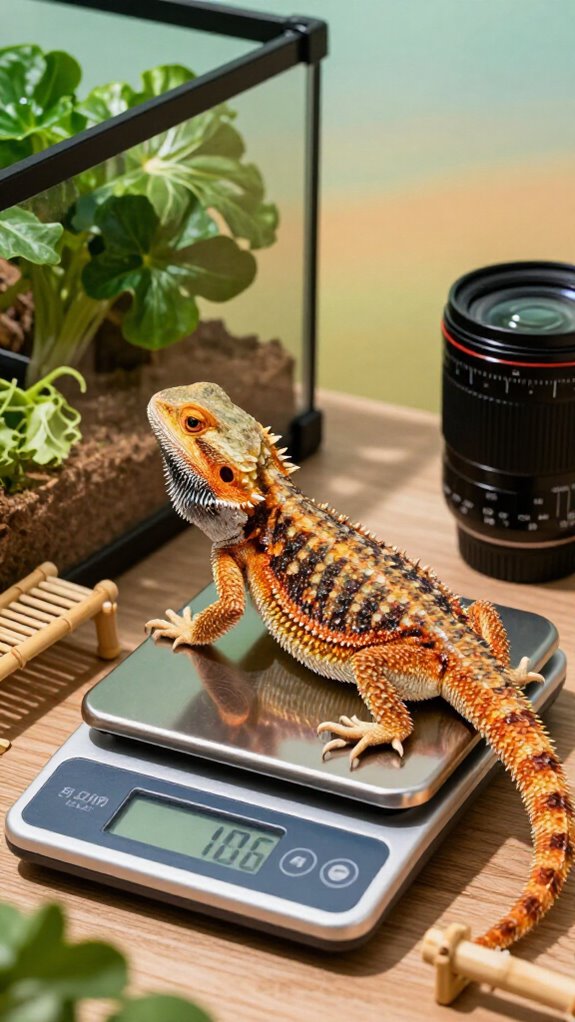
Feed juveniles daily, adults every other day. Dust insects and greens with calcium/D3 (ReptiZoo’s offerings slap). Weigh portions meticulously—metabolic bone disease is genuinely devastating, trust me.
Environmental Optimization
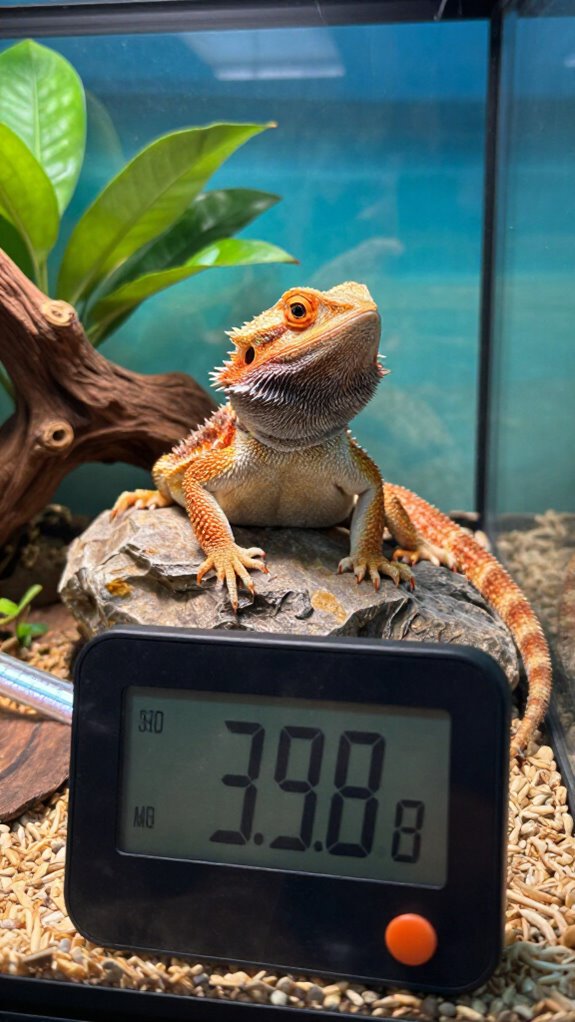
Orchestrate 10–12 hours of UVB exposure. Your basking spot should hover at 95–105°F with a temperate cool zone at 75–85°F. Implement seasonal brumation protocols and maintain vigilant humidity tracking using quality thermostats like Inkbird.
Habitat Maintenance
Deploy bioactive or aspen substrate (avoid cedar—it’s toxic). Daily spot-cleaning plus monthly deep-cleans using reptile-safe disinfectants preserve your dragon’s microbial equilibrium.
When Barnaby Nearly Didn’t Make It
Three years ago, Barnaby’s shell looked chalky, his movements sluggish. I’d overlooked UVB entirely. Panic-buying a T8 ReptiSun fixture and Exo Terra calcium wasn’t just remedial—it was redemptive. Watching him bask with renewed vigor crystallized why precision matters.
Quick Takeaways
- Maintain a balanced diet with staged feeding frequency, accurate portion weights, and regular calcium/D3 supplementation.
- Provide 10–12 hours daily UVB and heat with a 95–105°F basking spot and a 75–85°F cool end.
- Use durable, safe substrates (reptile carpet or non-adhesive tiles) and secure hiding/climbing spots to reduce stress and injury.
- Monitor humidity (30–40%), temperatures, and weight regularly, and adjust seasonally for brumation when needed.
- Clean enclosures daily, deep-clean monthly with reptile-safe disinfectant, and use quality thermometers and feeders for reliability.
Bearded Dragon Diet & Feeding Schedule (Prevent Metabolic Bone Disease)
One big truth I’ll say up front: diet is the single most powerful tool you’ve got to prevent metabolic bone disease, and yes, you can totally get it right without turning your home into a science lab.
I feed juveniles daily, adults every other day, and adjust feeding frequency as they age, because routine prevents mistakes. Proper nutrition for growing dragons requires careful attention to their developmental stage.
Offer varied calcium sources—dusted insects, leafy greens, and occasional bone meal—rotating them so your dragon isn’t bored.
Want safety? Use a reliable supplement schedule, weigh portions, and ask your vet if unsure.
I’ve kept reptiles and a tidy living room, so practical habits work.
Feeding frequency varies significantly between young and adult bearded dragons, with juveniles requiring more frequent meals to support their rapid growth and development.
Lighting & Temperature Routines (Daily + Seasonal)
Lights and temps are the heartbeat of a bearded dragon’s day, and I’ll walk you through the routines that keep that heartbeat steady, healthy, and oddly comforting—yes, even for your living-room aesthetic.
I set a daily cycle: 10–12 hours of UVB and heat, morning ramp to a 95–105°F basking spot for healthy basking behaviors, and a cool end near 75–85°F. Precise temperature control is essential for preventing metabolic issues and ensuring your dragon’s long-term health.
Temperature gradients must be clear, so your dragon chooses comfort safely. Seasonal shifts mimic nature, drop temps slightly in winter for a light brumation, but consult a vet first.
Want to impress guests and keep your dragon thriving? Smart routine.
Maintaining optimal humidity levels between 30–40% prevents respiratory issues and supports proper shedding.
Set Up, Clean, and Monitor Habitat for Long-Term Health
Because a clean, well-set-up habitat is the foundation of a long, healthy life for your bearded dragon, I’m going to walk you through what actually matters — and what you can skip pretending to understand from vague forum posts.
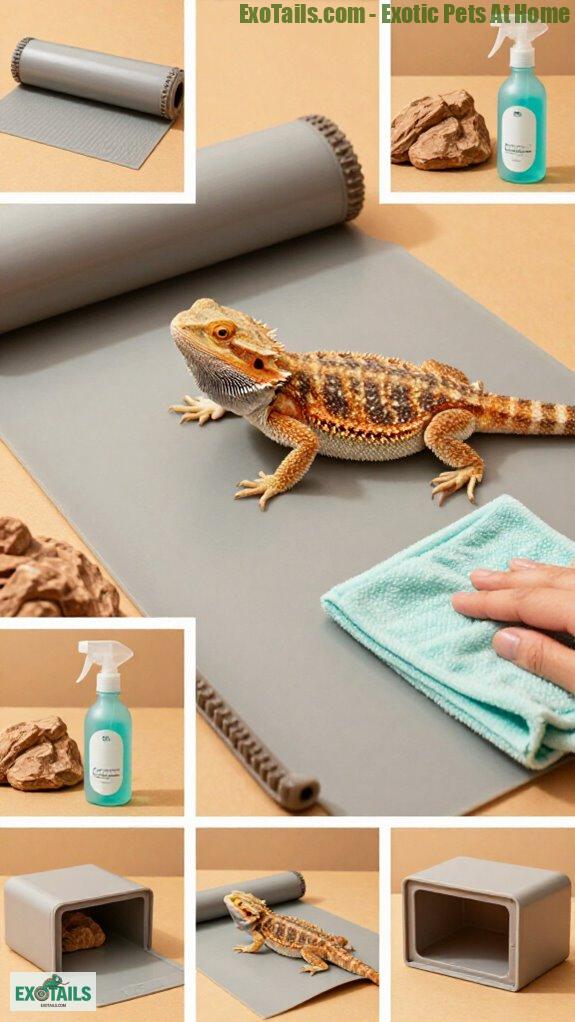
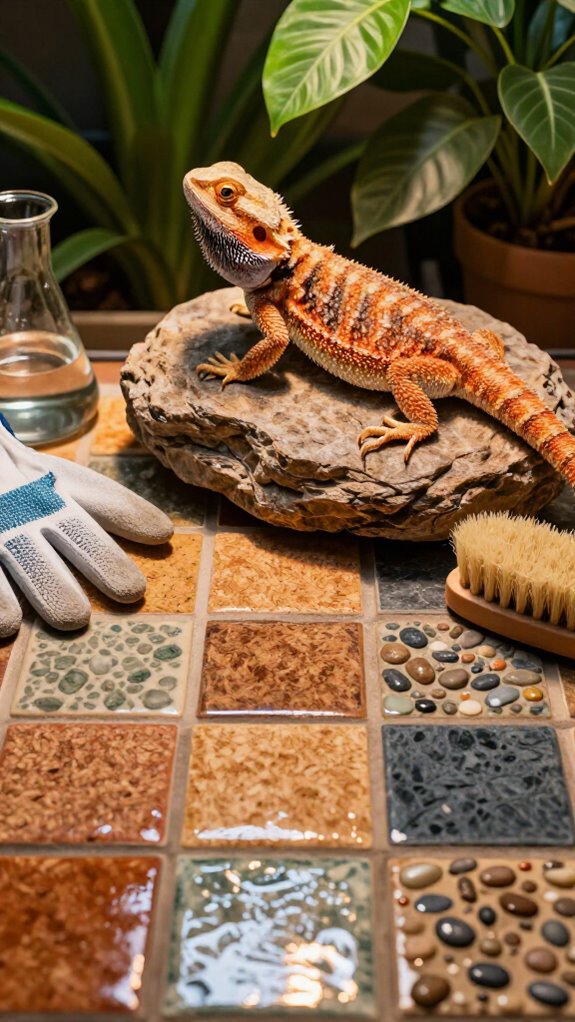
Pick substrate choices that reduce impaction risk, like reptile carpet or non-adhesive tiles, not loose sand for adults unless you understand the risks. Among the most durable and hygienic options, ceramic tile for bearded dragons stands out for resisting bacteria buildup and supporting proper nail wear. Researching top bearded dragon substrates helps you make informed decisions that prioritize both hygiene and your pet’s safety long-term.
Keep a temperature gradient, secure hides, and reliable UVB.
Clean daily spots, deep clean monthly with reptile-safe disinfectant.
Monitor humidity levels with a hygrometer, aim low but stable.
Want peace of mind? I do too — trust me, I’ve blended reptile care with tasteful home decor.
Tailoring Diet by Species
When you’re choosing what to feed your dragon, think species first — not just “lizard food” tossed in a bowl — because diets that suit a central bearded dragon won’t always fit an eastern one, and mixing them up can shorten their life.
I ask: do you know your dragon’s dietary preferences? I do, from keeping exotics and rearranging a living room for a terrarium.
Central dragons need more insects early, easterns favor greens sooner, and both require species specific nutrients like calcium, vitamin D3, and proper protein ratios.
Supplementation plays a critical role in their long-term health, so it’s worth researching essential calcium supplements tailored to your specific species.
Without proper vitamin D3 supplementation, your dragon cannot metabolize calcium effectively, leading to metabolic bone disease.
Want safety? Ask your vet, monitor weight, and adjust gently, not wildly.
Best Products to Use

Now that you know how diet shifts by species, let’s talk about the gear that actually makes those feeding plans work in real life — the tanks, lights, feeders, supplements, and tools you’ll rely on every day.
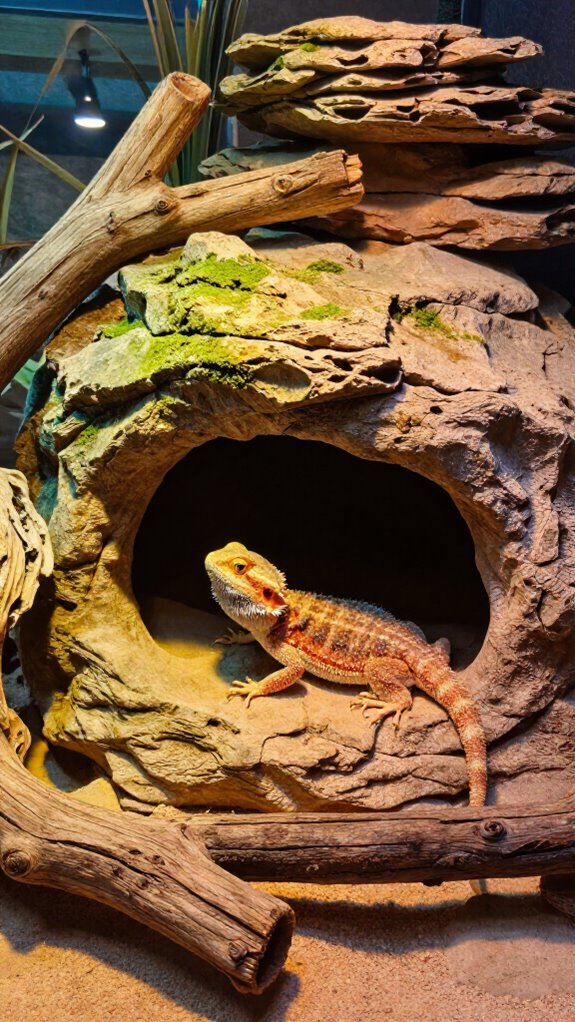
I recommend an essential habitat: a proper 40+ gallon tank, quality UVB tube, ceramic heat, and hides, so temps and light stay steady. For growing dragons or adults, you’ll eventually need to upgrade to an optimal tank size that provides adequate space for thermoregulation and exercise. A bearded dragon enclosure must include proper substrate, climbing branches, and basking spots to support natural behaviors and reduce stress.
Use sturdy feeders, stainless tweezers, and a digital thermometer; will you risk guesswork?
Longevity supplements, like calcium with D3 and multivitamin powder, are non-negotiable, mixed carefully.
I’ve kept quirky pets and chic decor, so trust practical gear that’s also tidy and safe.
FAQ
Can Bearded Dragons Live With Other Reptile Species Safely?
Short answer: no, I wouldn’t house bearded dragons with other reptile species; like uneasy neighbors in a shared apartment, habitat compatibility and differing social behaviors risk stress, disease, and injury, so I keep them solitary.
How Do I Recognize Early Signs of Kidney Disease?
Watch for weight loss, lethargy, decreased appetite, swollen joints or tail base, cloudy urine, and increased thirst—those kidney symptoms worry me. I’ll seek vet advice promptly, since early detection aids disease prevention and safer care.
Is Hibernation/Brumation Necessary for Captive Dragons?
No, brumation isn’t strictly necessary, but I recommend considering hibernation benefits; I’ll monitor brumation frequency and my dragon’s weight, appetite, and behavior, and consult my vet to guarantee it’s safe and beneficial.
What Vaccinations or Parasite Treatments Are Recommended?
I don’t vaccinate bearded dragons; reptiles rarely need vaccines, so I focus on a parasite prevention plan with fecal checks, topical/oral treatments if needed, and a regular vaccination schedule discussion with my reptile vet for safety.
How Does Breeder Genetics Affect Lifespan?
Picture a family tree shaded, where I explain: breeder genetics shape lifespan by influencing genetic diversity and risks from selective breeding; I’ll recommend choosing breeders prioritizing diverse lines to reduce inherited health problems and guarantee safer, longer lives.
References
- https://www.petmd.com/reptile/how-long-do-bearded-dragons-live
- https://vetcarehosp.com/2024/09/15/fascinating-facts-about-bearded-dragons/
- https://www.youtube.com/watch?v=BgQiuqid19M
- https://www.chewy.com/education/reptile-and-amphibian/bearded-dragon/bearded-dragon-lifespan
- https://reptizoo.store/blogs/reptizoo-reptiles-blogs/how-long-do-bearded-dragons-live
- https://petsontheshorevh.com/storage/app/media/Reptiles/bearded-dragon-care-sheet-pdf.pdf
- https://www.youtube.com/watch?v=qRgDt0cICyg