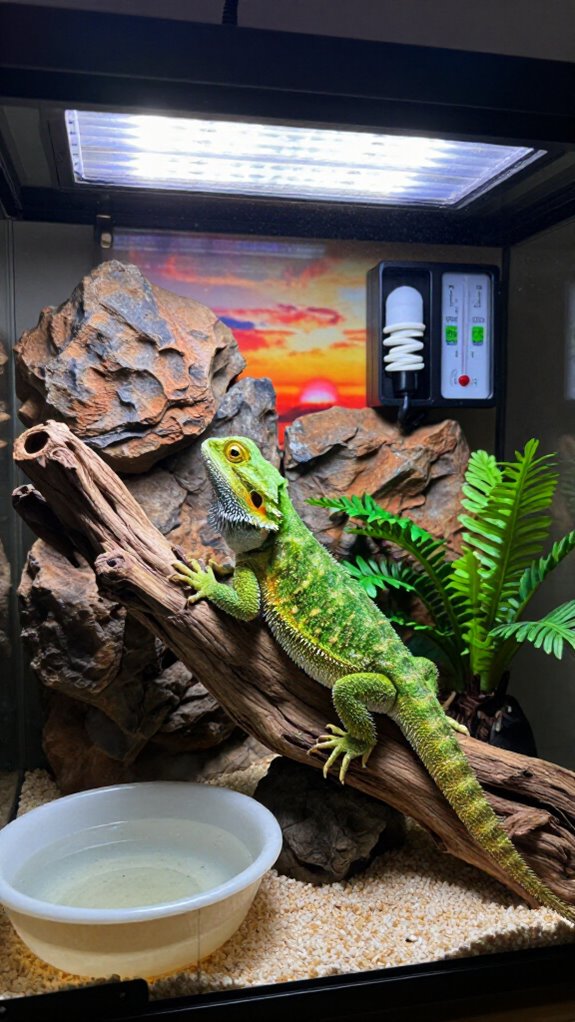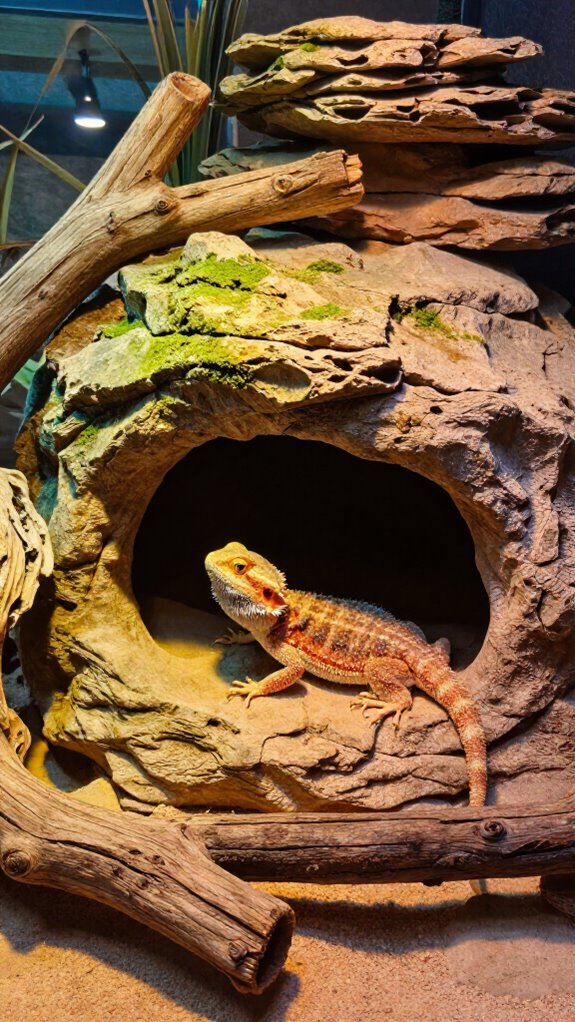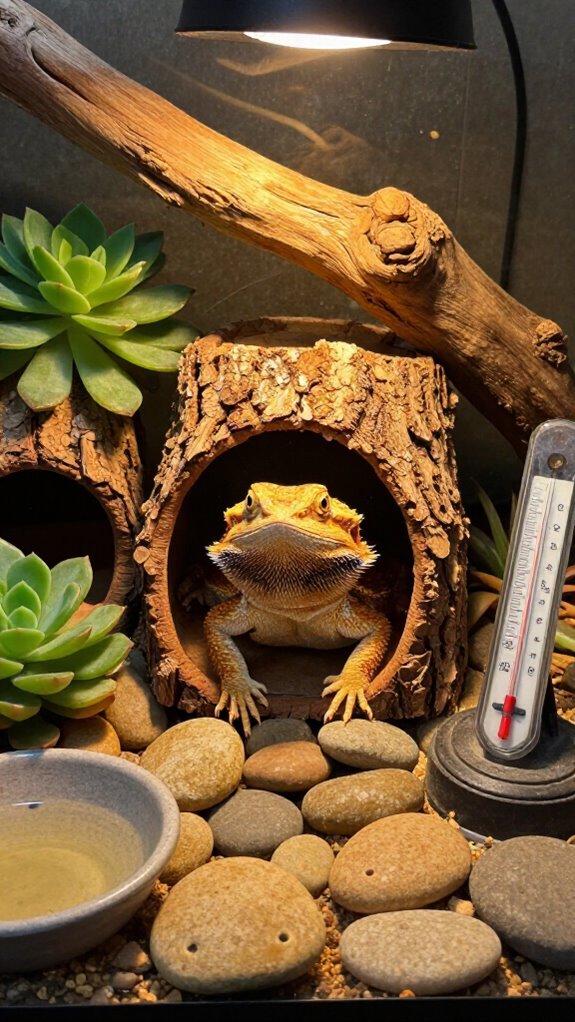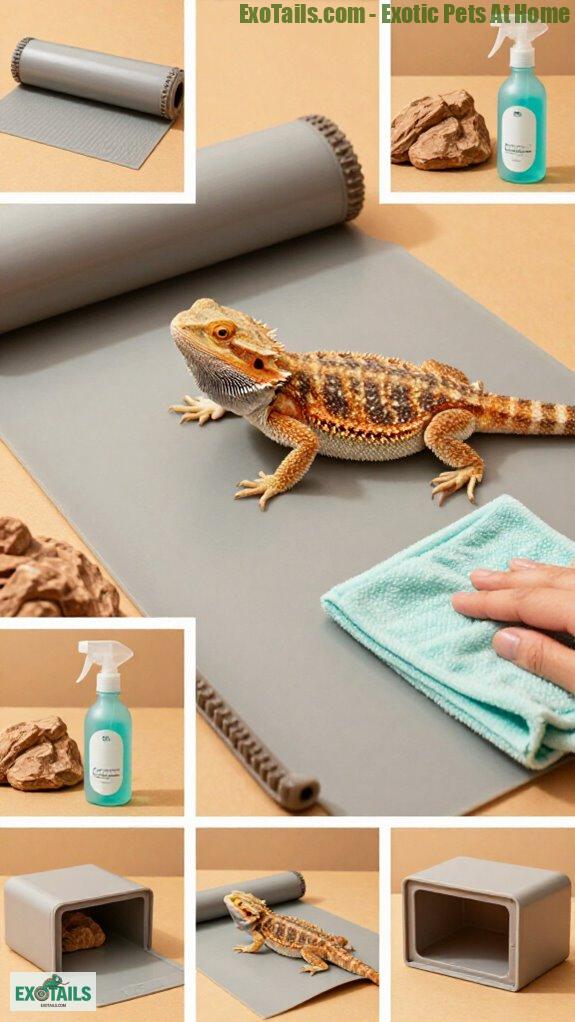
Dust-Free Bedding for Your Bearded Dragon
Brighter, healthier enclosures start with dust-free bedding—discover safer mats, kiln-dried shavings, and millet mixes to transform your bearded dragon’s air and comfort.
Dust-Free Bedding for Your Bearded Dragon
Your scaly bestie deserves air that won’t wreck their lungs. Let’s talk substrate that actually works.
My bearded dragon Barnaby transformed my entire perspective on exotic pet care. When I first brought him home, I was clueless—literally buying whatever dusty substrate the pet shop pushed. Then Mr Wiggles, my axolotl, developed respiratory complications from airborne particulates. That’s when I pivoted hard. Now at ExoTails, I document every trial, every failure, every breakthrough. These creatures aren’t decorations; they’re family members deserving meticulous attention.
Solid mats and Zilla pads obliterate respiratory risks entirely. Kiln-dried pine shavings deliver that naturalistic aesthetic without the pulmonary nightmare. Millet mixes grant your burrower legitimate excavation opportunities—no compromise between enrichment and safety. Cushioned substrates cradle fragile dragons; loose mediums satisfy excavation instincts.
The Day Barnaby Stopped Gasping
I’ll never forget watching Barnaby labor through each breath, his throat contracting violently. The vet’s diagnosis devastated me—substrate-induced inflammation. Switching to Zen Mats and implementing rigorous enclosure sanitation reversed everything within weeks. His vitality returned ferociously. That singular moment crystallized my commitment to disseminating respiratory-safe alternatives across the reptile community.
Quick Takeaways
- Choose solid or certified low-dust substrates like Zen Mat or Zilla to minimize respiratory risk.
- Use kiln-dried pine shavings or low-dust millet mixes only after vet approval for safety.
- Juveniles and sick dragons should stay on cushioned, solid surfaces to prevent ingestion and injury.
- Spot-clean daily and perform monthly deep cleans with reptile-safe disinfectant to control dust and contamination.
- Lay substrates in zoned areas, dampen paper-based beds before cleaning, and monitor behavior and humidity.
Best Dust‑Free Bedding for Bearded Dragons
Choice — and yes, you have one — matters a lot when you’re picking dust-free bedding for a bearded dragon, so let me cut to the chase: I’d reach for something solid or a certified low-dust loose option, depending on your dragon’s age and digging habits.
I favor Zen Mat or paper-based Zilla for safety, because bedding materials that cut dust lower respiratory risk.
Want digging? Millet substrate clumps, stays clean, and offers different substrate textures without metal-sand trouble.
Ever tried pine shavings? Kiln-dried is safer, but check with your vet.
Curious which fits your setup? I’ll help pick.
Choose Bedding by Age, Health & Behavior
Age, health, and behavior all matter when you pick bedding for a bearded dragon, so don’t treat it like a one-size-fits-all accessory.
I pick substrates based on age, health considerations, and behavior, because safety matters. Finding the right substrate type depends on understanding your dragon’s specific needs and habitat requirements.
Juveniles do better on solid, low-risk surfaces, while confident adults can enjoy low-dust millet or paper-based mixes for digging.
Sick or mobility-impaired dragons need cushioned Zen Mat or kiln-dried pine shavings to protect joints.
What about messy eaters or burrowers? Match bedding preferences to habits, monitor stool and weight, and change more often.
I’ve seen décor-minded setups that stayed safe, yes, really.
The best substrates balance natural behaviors with your dragon’s individual needs and safety requirements.
Switch to Dust‑Free Substrate: Step‑By‑Step
You’ve picked the right substrate type for your dragon’s age and habits, now let’s actually get it into the tank without drama or dust clouds—sound good?
I’ll walk you through a calm, safe swap, because no one needs a choking beardie or a dusty mess. Ready?
- Remove dragon, decor, and old bedding; vacuum lightly to catch stray dust.
- Wipe tank, measure new substrate depth (consider moisture retention for damp mixes), lay substrate types in zones—solid tile under basking, soft mat in cool area.
- Reintroduce decor, hideouts, and your dragon; monitor behavior and humidity closely.
Clean & Maintain Bedding (Frequency, Tools, Dust Control)
If you want your bearded dragon to stay healthy and your living room to stay livable, I’ll show you how often to clean, which tools actually help, and how to keep dust from turning your nice terrarium into a sandstorm.
I spot‑clean daily, removing poop and damp spots, and deep clean monthly to extend substrate lifespan and guarantee bedding sanitation.
I use a soft-bristled brush, a small handheld vacuum with HEPA, and odor‑safe reptile disinfectant.
Want less dust? Dampen paper-based or millet lightly before scooping, swap solids like Zen Mat for messy days, and check venting often.
Choosing safe bedding materials helps reduce respiratory irritants for both you and your reptile.
Yes, my living room survived.
Troubleshooting Dust‑Free Substrates (Common Problems & Fixes)
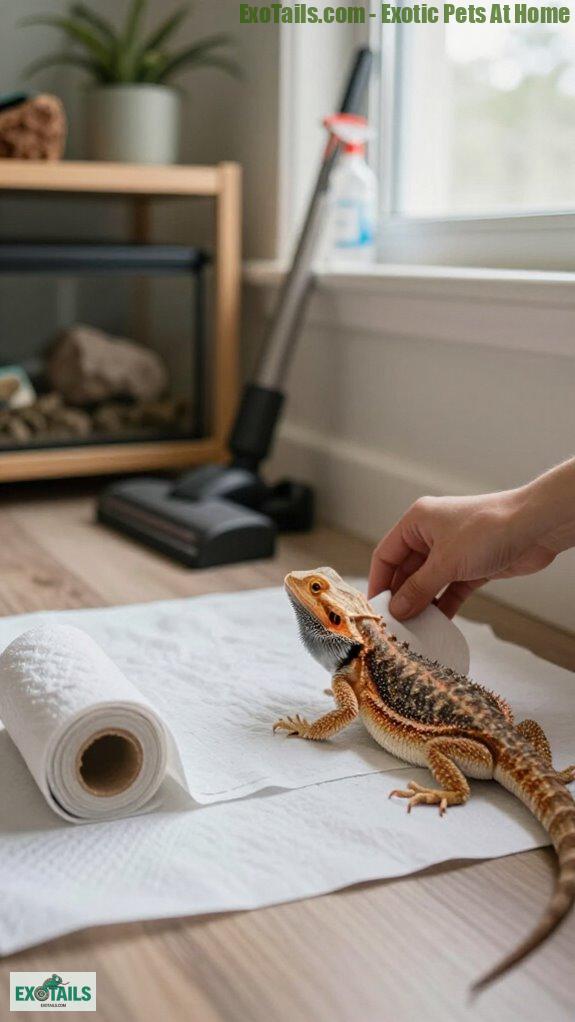
Troubleshooting dust‑free substrates can feel like solving a tiny mystery, and I’ll walk you through the common clues and quick fixes so your dragon and your sofa both stay happy.
I check three frequent issues: contamination, odor, and tracked bedding. How do we fix them?
- Replace soiled sections fast, use paper-based or Zen Mat choices after substrate comparisons, and avoid common misconceptions about “safe” sand.
- Increase spot-cleaning, run a low‑dust vacuum around the tank, and adjust humidity.
- Use washable liners under play areas, monitor for mold, and consult your vet if respiratory signs appear.
Silicone Reptile Terrarium Substrate
Silicone substrate is a game-changer for terrariums, and I’m excited to tell you why it might be the cleanest, least drama-prone option for bearded dragons and other arid reptiles.
I’ve used silicone liners in tanks, and they cut cleaning time, so you can skip soggy paper towels and sandy chaos.
You get silicone advantages like nonporous surfaces that resist bacteria, easy wipe-downs, and no loose grains to be ingested.
Substrate durability means it holds up to claws and heat pads, without crumbling.
Want safe, low-risk bedding that still looks tidy? Try silicone, and enjoy fewer surprises.
Best Products to Use
Choosing the right products makes life easier—for you and your bearded dragon—and I’m going to walk you through the top picks that actually work, not just hype.
I’ll keep it safe, practical, and a little cheeky. Want easy cleaning, low impaction risk, and proven substrate benefits? Here’s a quick bedding comparison I trust, from my experience with exotic pets and sensible home decor. When selecting any substrate, consider how tile substrates rank among the most durable and hygienic options for long-term reptile care.
- Zen Mat — solid, cushioned, heat-retentive, joint-friendly.
- Zilla Comfort Bedding — paper, low-dust, absorbent, great for digging.
- XYZReptiles Millet — clumping, non-allergenic, scoops clean.
Pick for safety, not trend—your dragon will thank you.
For optimal basking behavior and thermoregulation, ceramic tile substrates remain a top choice among experienced reptile keepers.
FAQ
Can Dust-Free Bedding Affect My Dragon’s Temperature Regulation?
Could a cooler substrate change your dragon’s basking behavior? I monitor temperature control closely and I’ll choose bedding that retains heat or adds insulation so my dragon’s metabolic rate stays stable, preventing chilling or overheating.
Can Dust-Free Substrates Hide Parasites or Mites?
Yes — dust-free substrates can hide parasites or mites, so I regularly inspect vents, skin folds, and bedding; parasite prevention and mite control mean routine checks, quarantine new animals, and replace or disinfect substrate promptly.
Are Dust-Free Options Safe for Egg-Laying Females?
Yes — I recommend caution: studies show ~40% of captive females dig for eggs, so I prefer nesting behavior-friendly, low-dust substrates. I’ll address safety concerns by adding deep, moistened loose material for actual oviposition.
Do Dust-Free Substrates Alter Humidity in the Enclosure?
Yes — I’ve seen humidity levels shift with different substrate types; solid mats lower humidity while paper or millet retain some moisture. I’ll monitor levels and adjust ventilation, misting, or substrate choice to keep your dragon safe.
Can My Dragon Develop Allergies to Dust-Free Materials?
Yes — I’ve seen dragons react; they can show allergy symptoms like sneezing, wheezing, eye/nasal discharge from bedding materials. I’d suggest swapping substrates, improving ventilation, and consulting your vet promptly for testing and treatment.
References
- https://www.zenhabitats.com/blogs/reptile-care-sheets-resources/bearded-dragon-complete-substrate-guide
- https://www.reptilecentre.com/blogs/reptile-blog/which-bearded-dragon-substrate-should-you-use
- https://www.chewy.com/b/bearded-dragon-substrate-and-bedding-14002
- https://continentalsleep.com/products/remium-natural-pine-animal-bedding-dust-free-soft-shavings-kiln-dried-heat-treated-for-indoor-and-outdoor-pets
- https://www.zillarules.com/all-products/bedding/reptile-comfort-bedding
- https://www.xyzreptiles.com/product/bearded-dragon-substrate/