Using Substrates for Your Dragon Pet
Optimal substrate choices prevent impaction and encourage natural behaviors, but which one is right for your dragon?
Your bearded dragon’s substrate choice literally makes or breaks their wellbeing. It’s not just floor covering—it’s a health decision that reverberates through every aspect of their existence.
I’ll be real with you: my journey with Barnaby, my bearded dragon, transformed everything I thought I knew about substrate. Watching him excavate and burrow taught me that substrate depth and composition aren’t negotiable. My axolotl Mr Wiggles? He’s the reason I obsess over environmental details across species. These creatures are irreplaceable to me, which is why I document everything on ExoTails—because getting substrate wrong means veterinary emergencies I’d never forgive myself for.
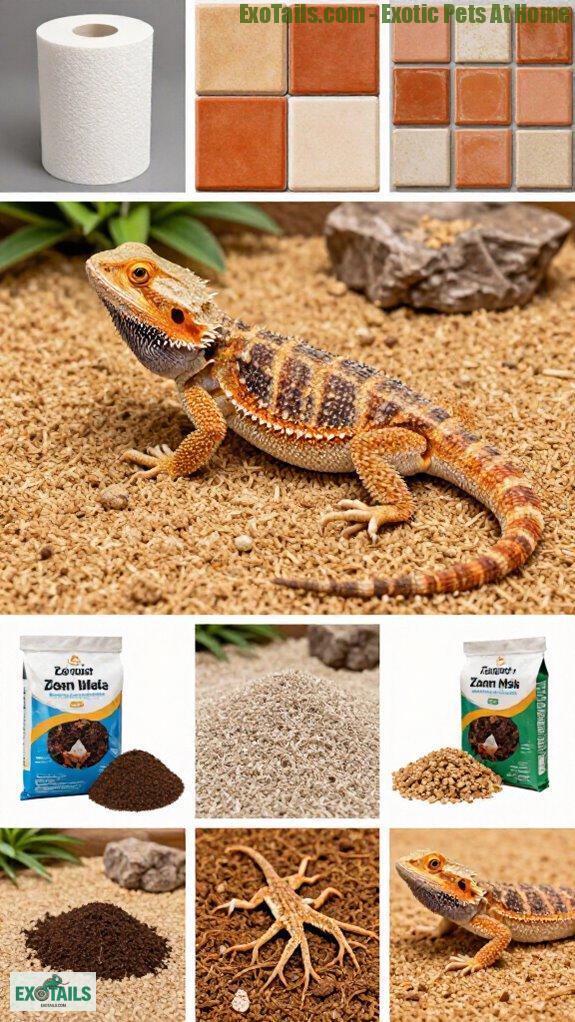
Loose substrates like Reptisand or premium sand facilitate natural digging behaviors. Tile flooring (try Zen Habitats’ offerings) demolishes cleanup frustrations and works stellar for hatchlings. Skip carpet entirely—impaction nightmare fuel, truly.
Maintain 4-6 inches depth religiously. Temperature regulation? Handled. Behavioral enrichment? Checked. Impaction prevention? Your scaly bestie stays thriving.
The Day Barnaby Nearly Became an Impaction Statistic
I noticed Barnaby’s sluggish demeanor and paralyzed tail base after two weeks on crushed walnut shell substrate. Panic flooded me. The reptile vet confirmed early impaction symptoms. Switching immediately to Excavator Clay substrate from Zen Habitats reversed everything within days. That terrifying moment crystallized my commitment—substrate selection isn’t trivial minutiae, it’s life-or-death stewardship.
Quick Takeaways
- Choose substrate based on your dragon’s age and health needs—tile for babies, loose materials for enrichment and natural digging behavior.
- Maintain 4-6 inches of loose substrate depth in your enclosure to safely support burrowing and natural behaviors.
- Position feeding dishes away from substrate areas to prevent accidental ingestion and impaction risks during meals.
- Monitor substrate moisture and temperature regularly using digital sensors to prevent mold, excessive dryness, and health complications.
- Perform daily spot-cleaning and weekly deep-cleaning routines to maintain hygiene and prevent bacterial or parasitic buildup in the habitat.
Why Substrate Matters for Bearded Dragons
Since your bearded dragon’s going to spend most of its time on the ground—literally living on whatever material you choose—the substrate you pick is basically the foundation of their entire wellbeing (pun intended).
Think about it: substrate affects everything. Your dragon’s Health Implications depend on whether you’re using safe materials or risky ones. The right substrate encourages natural Digging Behavior and supports proper Temperature Regulation.
Different Substrate Types offer varying Enrichment Opportunities—some boring, some enriching. Your choice impacts Feeding Habits too. Plus, Cleaning Techniques vary wildly depending on what you select.
The best bearded dragon substrate options balance safety with natural behaviors to create an ideal habitat environment. Natural Approaches mimic their Australian home, keeping your scaly friend thriving physically and mentally.
Understanding humidity control options helps you adapt natural substrate concepts even for species from drier regions like bearded dragons.
Loose vs. Tile vs. Carpet: Which Substrate Works Best?
Now that you understand why substrate matters, let’s get specific about your actual options—because honestly, not all substrates are created equal, and picking the wrong one is like choosing carpeting for a bathroom (trust me, I’ve seen that mistake in exotic pet setups, and it’s not pretty). Ceramic tile remains one of the most recommended choices for bearded dragon enclosures due to its durability and ease of maintenance.
Your substrate selection dramatically impacts your dragon’s health, so let’s break down what actually works:
- Tile styles offer easy cleaning and safety for babies, but they’re boring
- Loose substrates mimic nature and allow natural digging behaviors adults crave
- Carpet options trap bacteria and parasites—skip them entirely
- Material benefits vary: loose substrate promotes joint health; solid surfaces prevent impaction risks
Which surface texture matches your dragon’s life stage and your cleaning frequency comfort level? Many keepers find that ceramic tile substrates provide an excellent balance of durability, hygiene, and temperature regulation for their bearded dragons.
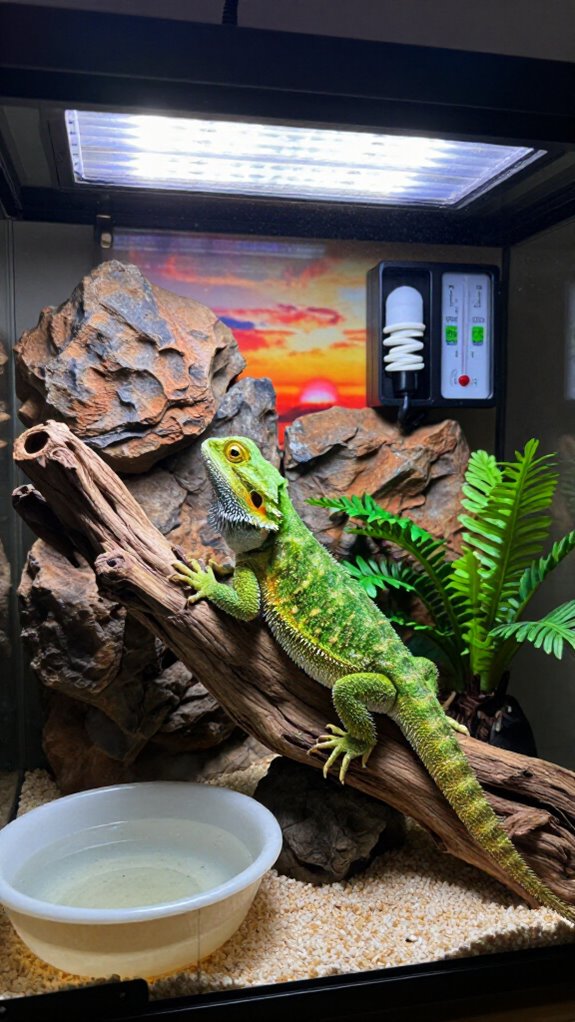
Setting Up Substrate Depth and Tank Layout for Bearded Dragons
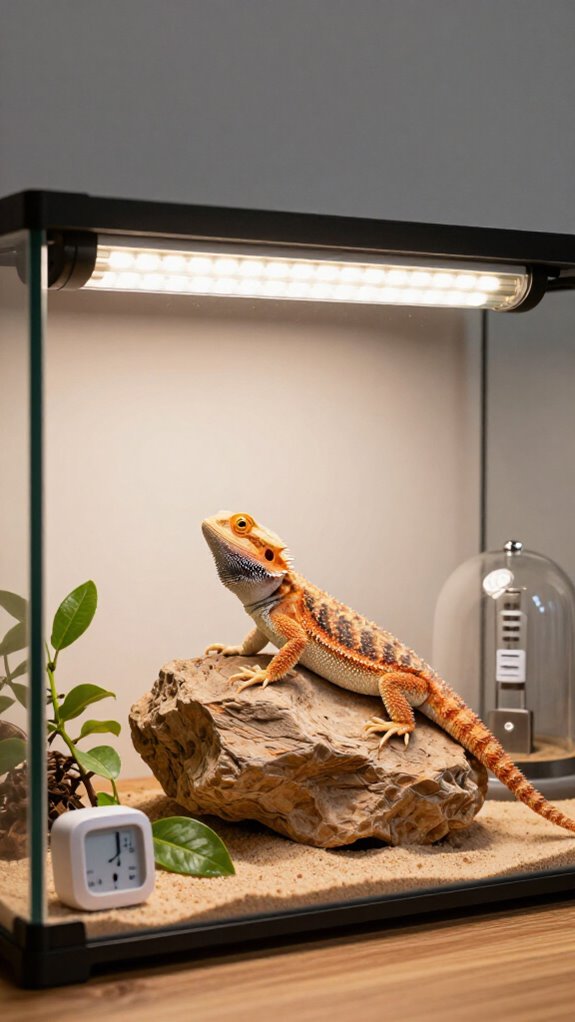
Getting the depth right? I’d pack your loose substrate 4-6 inches deep—that’s where the magic happens.
For a 4×2 enclosure, you’ll need 80-120 quarts; go bigger with a 6×2 tank? Grab 120-180 quarts. Selecting the appropriate enclosure dimensions ensures your bearded dragon has adequate floor space for thermoregulation and natural behaviors.
I’ve learned that proper substrate depth lets your dragon burrow naturally, supporting those joint and nail health goals.
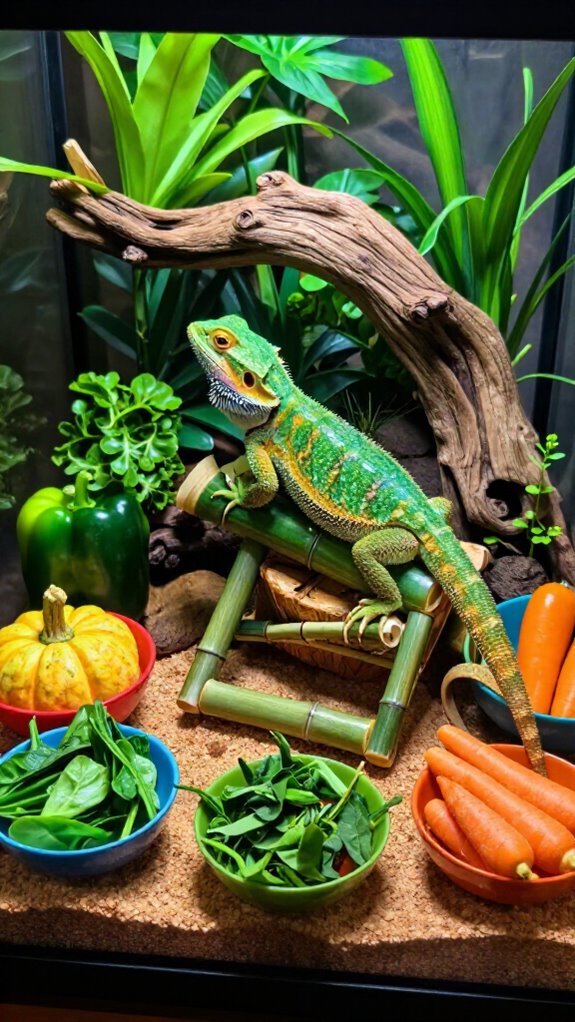
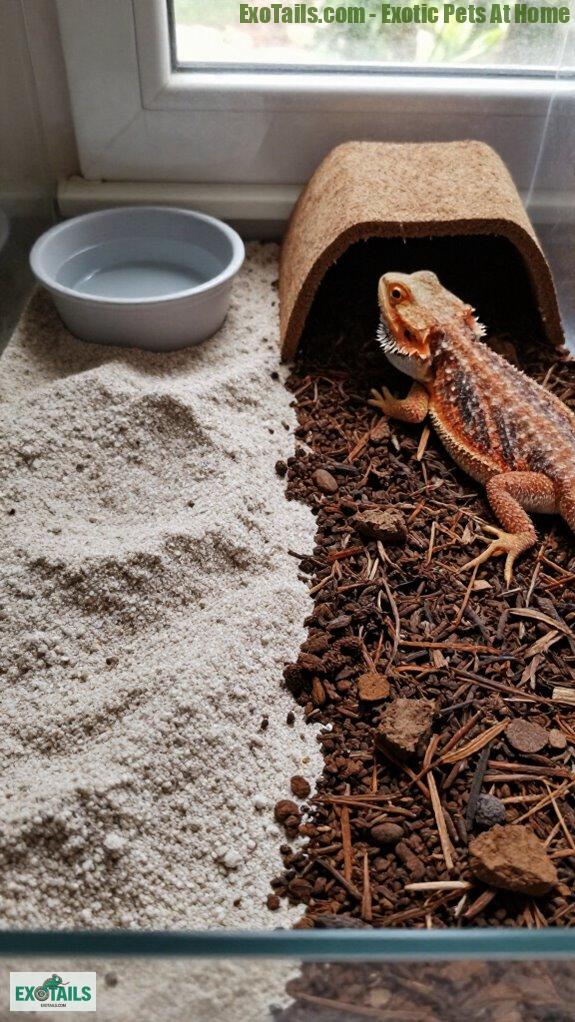
Position feeding dishes away from substrate to prevent accidental ingestion.
Consider tank layout strategically: create basking zones, hiding spots, and digging areas.
This balanced approach mimics Australia’s natural environment while keeping your scaly friend safe and enriched.
Remember that maintaining proper temperature and humidity levels works hand-in-hand with substrate setup to create a truly optimal habitat environment.
Keeping Your Dragon’s Home Clean and Warm
Maintaining the right temperature and cleanliness in your dragon’s enclosure isn’t just nice to have—it’s absolutely essential for keeping your scaly roommate healthy and happy. I’ve learned that consistent care prevents serious health issues, so here’s what I focus on:
- Temperature regulation keeps your dragon thriving—use heating elements to maintain 95-110°F basking spots.
- Cleaning routines prevent bacterial growth; spot-clean daily, deep-clean weekly.
- Substrate safety matters hugely; choose materials matching your dragon’s life stage.
- Odor control stays manageable with proper bedding maintenance and humidity levels.
Spot-check surface materials regularly. Your dragon’s health literally depends on these boring-but-crucial details. For dragons with sensitive respiratory systems, dust-free bedding options can significantly reduce breathing problems and improve overall wellbeing. Selecting safe bedding materials for your dragon’s environment supports their long-term health just as it does for human sleep quality.
Common Substrate Mistakes and How to Fix Them
Even with the best temperature setup and cleaning routine, I’ve seen plenty of dragon owners sabotage their own efforts with substrate choices that look good in theory but cause real problems in practice. A well-designed enclosure setup requires careful consideration of every element working together.
Improper substrate selection tops my list of preventable mistakes. Using calcium sand or wood chips? Yeah, that’s asking for impaction trouble. Instead, choose natural materials like fine sand or excavator clay. Providing appropriate cork bark hides alongside proper substrate creates essential elevated spaces for thermoregulation and stress relief.
Substrate health risks multiply when you skip proper substrate cleaning techniques. Spot-clean daily; replace monthly. Loose substrates packed too shallow cause compaction issues, while solid substrates create toe deformities over time.
Address substrate durability concerns by rotating options seasonally—keeps things fresh and prevents long-term damage.
Best Substrate Choices by Dragon Age and Size
Your dragon’s age and size dramatically change what substrate they’ll thrive with—and honestly, it’s one of the most important decisions you’ll make for their long-term health.
Baby dragons? They’re basically tiny vacuum cleaners that’ll ingest anything. I’d recommend:
- Solid substrates only (tile, paper towels, Zen Mats)
- Zero loose materials—substrate safety first
- Easy monitoring for health issues
Adult substrate recommendations shift dramatically. Healthy adults benefit from naturalistic loose options that support joint health and allow natural digging behaviors.
Consider these substrate types:
- Naturalistic mixes (sand, topsoil, clay)
- Bioactive setups for enrichment
- Proper substrate texture prevents toe deformities
- Feed separately to eliminate ingestion risks
Bioactive Substrate Ecosystem Benefits
If you’ve ever wondered why some dragon setups feel like sterile boxes while others buzz with actual life, bioactive substrates might be the game-changer you’re looking for.
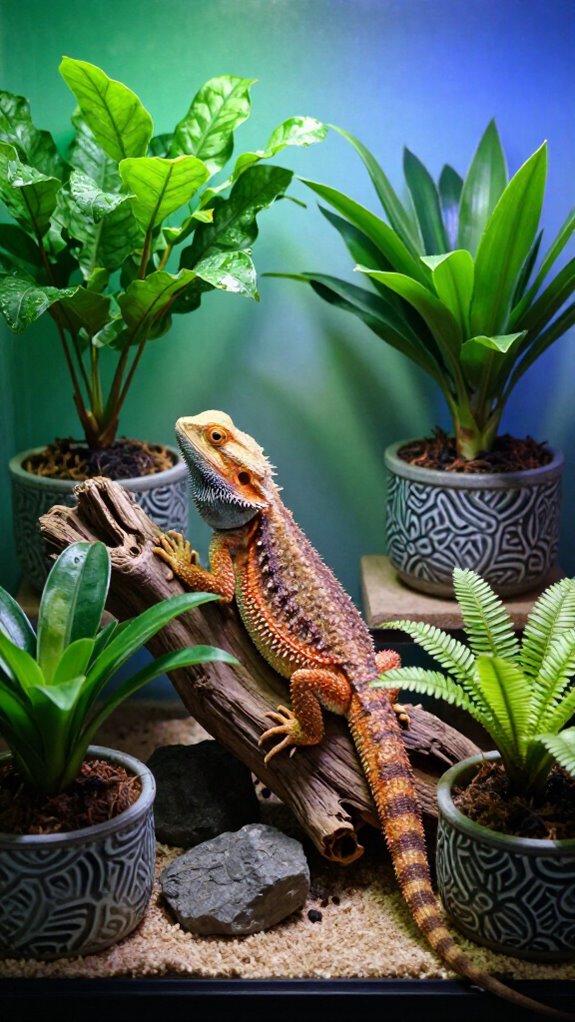
I’ve discovered that bioactive systems create a micro ecosystem health that’s genuinely impressive. Your cleanup crew—beneficial insects and microorganisms—actually work for you, breaking down waste naturally.
Plants add oxygen and visual enrichment, transforming a basic enclosure into something resembling your dragon’s native Australian habitat.
This setup means less maintenance headaches and happier dragons engaging in natural behaviors like digging.
Sure, initial setup requires more effort, but the payoff? You’re fundamentally building a self-sustaining environment.
Selecting the best bearded dragon bioactive soils is essential for ensuring your cleanup crew thrives and your dragon remains healthy.
The top bioactive soils provide the proper drainage, organic content, and soil structure needed to support both your dragon and the living organisms that maintain the system.
Substrate Moisture Monitoring Tools
Building that self-sustaining bioactive ecosystem I just described? You’ll want to monitor moisture levels carefully. I’ve learned from decorating terrariums that proper hydration makes all the difference. For bearded dragon care, humidity gauges are essential tools that help maintain the precise environmental conditions your pet needs. When selecting monitoring equipment, digital hygrometers offer the reliability and precision that top reptile care resources consistently recommend.
Here’s what I recommend:
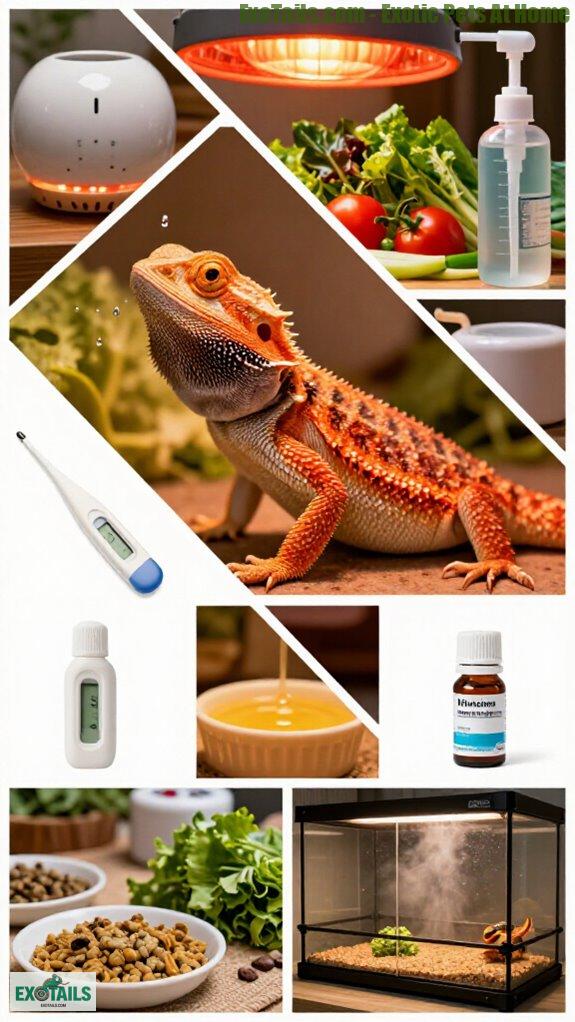
- Digital moisture sensors – they’re affordable and accurate, giving you real-time readings
- Hygrometers – track humidity levels to prevent mold or excessive dryness
- Spray bottle tests – mist substrate and observe how quickly it dries
- Visual inspection – check for clumping or overly dry patches weekly
Bioactive substrates need consistent moisture without becoming swamps. Your dragon’s health depends on you staying vigilant.
Ready to keep things perfectly balanced?
FAQ
Can I Mix Different Substrate Types Together, and if So, What Combinations Work Best?
You can mix substrates through substrate layering, but I’d recommend combining natural materials like sand, topsoil, and excavator clay for substrate compatibility. Avoid mixing solid substrates with loose ones, as that creates safety hazards.
How Often Should I Completely Replace My Bearded Dragon’s Substrate?
I’d recommend replacing your bearded dragon’s substrate maintenance schedule every 4-6 weeks for solid substrates and 8-12 weeks for loose substrates, adjusting replacement frequency based on soiling and your dragon’s health needs.
What Substrate Materials Are Safe if My Dragon Accidentally Ingests Some?
I’ll guide you through substrate choices that won’t harm your dragon if swallowed. Natural materials like fine sand, excavator clay, and topsoil are digestible materials—your safe options. Paper towels offer maximum protection during accidents.
Does Substrate Choice Affect My Dragon’s Shedding or Skin Health?
I’ve found that substrate choice directly impacts your dragon’s skin health. Loose substrates promote natural shedding cycles, while solid options can trap bacteria and impede shedding. Proper moisture and cleanliness minimize skin bacteria, supporting healthy sheds.
Are There Budget-Friendly Substrate Alternatives to Commercial Products Available?
I’ll help you stretch your budget like taffy. DIY substrates—mixing play sand, topsoil, and excavator clay—give you natural alternatives that won’t break the bank. These eco-friendly choices safely mimic your dragon’s natural habitat affordably.
References
- https://www.chewy.com/education/reptile-and-amphibian/general/best-substrate-for-bearded-dragons
- https://reptifiles.com/bearded-dragon-care/bearded-dragon-substrate-housing/
- https://www.youtube.com/watch?v=qjZq3sHWVL0
- https://www.zenhabitats.com/blogs/reptile-care-sheets-resources/bearded-dragon-complete-substrate-guide
- https://www.reptilecentre.com/blogs/reptile-blog/which-bearded-dragon-substrate-should-you-use
- https://internetreptile.com/blogs/reptile-learning-zone/what-bearded-dragon-substrate-should-i-choose