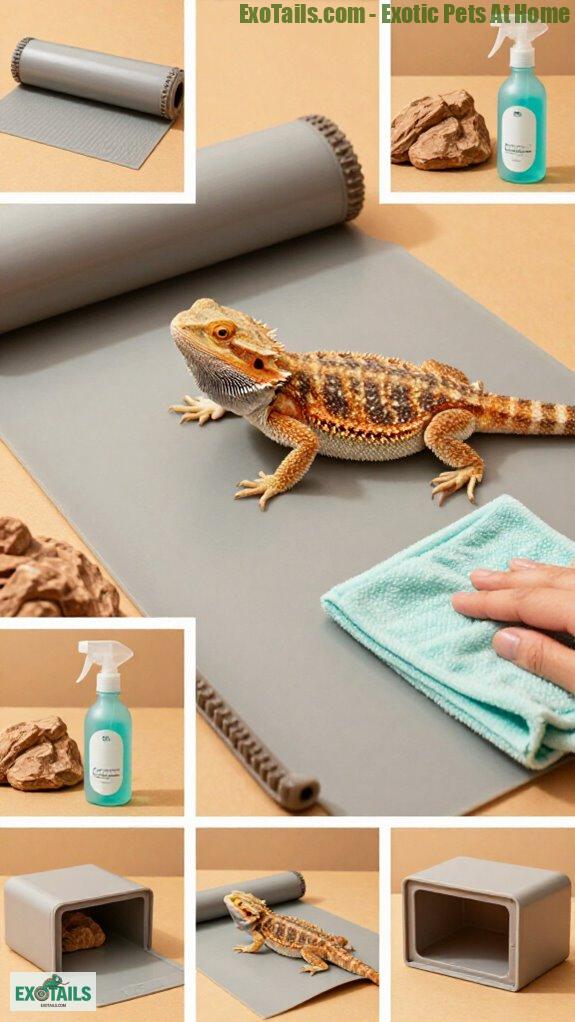
7 Best Ways to Handle Baby Dragons
See how gentle handling techniques transform nervous hatchlings into confident, social dragons—discover the one mistake most owners make.
Unlocking Your Baby Dragon’s Chill Factor
Ever wonder why some hatchlings vibe while others stress-ball themselves into oblivion? The secret isn’t complicated—it’s methodical.
I learned this the hard way with Barnaby, my bearded dragon. When I first got him, I was that person—too eager, too handsy, basically suffocating him with affection. That’s when Mr Wiggles, my axolotl, became my unlikely teacher. Watching his serene demeanor taught me patience was everything. Now, ExoTails (my blog) exists because I realized reptile guardianship demands intentionality, not instinct.
The Barnaby Breakthrough: When Patience Paid Off
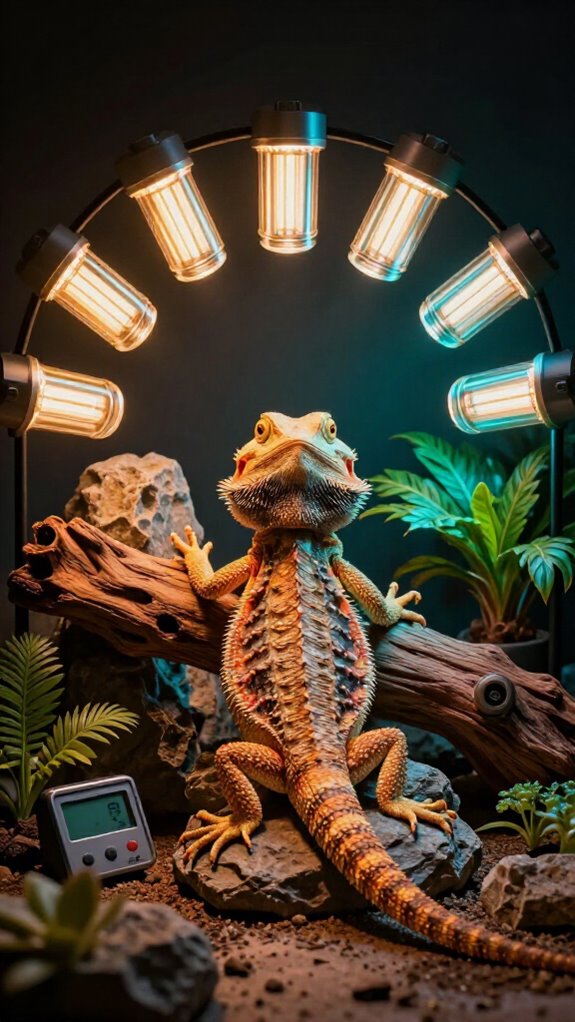
Two weeks of zero contact sounds brutal, but Barnaby proved it works. I utilized high-quality enclosure lighting (think Arcadia D3 UV systems) and maintained ambient warmth using Thermostat controllers. When I finally initiated contact—five minutes, tops—his response was palpable. No defensive puffing. No food refusal. Just a creature genuinely comfortable with human interaction.
Here’s the toolkit: warm hands, dimmed environments, multiple handlers preventing dependency, stress-signal vigilance (puffing = back off NOW). Reptile-safe handling gloves from brands like Zen Habitats provide tactile confidence for beginners attempting gentle desensitization protocols.
Quick Takeaways
- Support the entire body with gentle, simultaneous lifts from front shoulders and rear legs to prevent injury.
- Begin handling after a two-week settle-in period with brief 5-15 minute sessions to build trust gradually.
- Keep hands warm and create calm environments with dim lighting and minimal noise before each session.
- Involve multiple people during handling to prevent over-bonding and ensure the dragon socializes with different caretakers.
- Stop immediately if stress signs appear, such as refusing food, hiding, or puffing up defensively.
Start Handling Your Baby Dragon Early and Often
your baby bearded dragon won’t magically transform into a social, hand-loving pet if you just leave them alone in their enclosure (shocking, I know).
Early handling is your secret weapon.
After that vital two-week settle-in period, I’ve found that gradual exposure works wonders. Start with minimal handling—once weekly for six-week-olds—then bump it up to 2-4 daily sessions once they’re comfortable. Involving multiple people in these sessions helps your dragon become comfortable with different individuals and prevents over-bonding to just one caretaker.
Keep sessions brief, around 5-15 minutes.
Why does this matter? Consistent, gentle interaction builds trust.
Hand-feed with tongs, let them walk onto your palms, and spend time near their enclosure wearing a worn shirt. Your scent becomes familiar, safe even.
That’s how you create a genuinely bonded dragon.
If your baby dragon shows signs of stress, try using gentle calming techniques to help them feel secure before continuing with handling sessions.
Use Proper Hand Position and Support Techniques
There’s one thing I’ve learned from years of handling everything from bearded dragons to iguanas: a bad grip doesn’t just feel uncomfortable—it can genuinely hurt your little buddy.
Your hand position matters enormously. Support their entire body—I’m talking all four feet—never grab by the neck (yikes, that’s a no-go).
Lift gently from their front shoulders and rear legs simultaneously. Slow movements only; think tai chi, not roller coaster.
The key? Full body support prevents injury and builds trust. Let them walk onto your palm instead of forcing contact. Your steady, confident hand position tells them you’re safe.
For extra protection during handling, consider wearing essential gloves designed specifically for reptile safety.
Keep Sessions Short to Build Confidence Gradually
Once you’ve mastered the handling basics—supporting that little body like it’s made of spun glass—the real magic happens when you keep things short and sweet.
Here’s the thing: your baby dragon isn’t ready for marathon sessions. Start with five to fifteen minutes, max. Why? Confidence building happens gradually, not overnight. Short, frequent interactions prevent stress and overwhelm.
Think of it like introducing a shy friend to a party. You wouldn’t throw them into the chaos immediately, right?
Keep sessions consistent—two to four times daily works beautifully. Your dragon learns handling’s safe, predictable, and even enjoyable.
That’s when real bonding begins.
Watch for Stress Signs and Know When to Stop
I’ve learned from years with exotic pets that handling timing matters tremendously. If your dragon refuses food, hides constantly, or puffs up, stop immediately. They’re stressed, not being dramatic.
Some days they’re social butterflies; other days they’re grumpy hermits. That’s totally normal! Respect their mood swings. Short, positive sessions build confidence way better than forcing interaction. Your patience pays off big time with trust and bonding.
Stress can also weaken their immune system, making them more susceptible to health issues like respiratory infections.
Create a Calm Environment Before Each Session
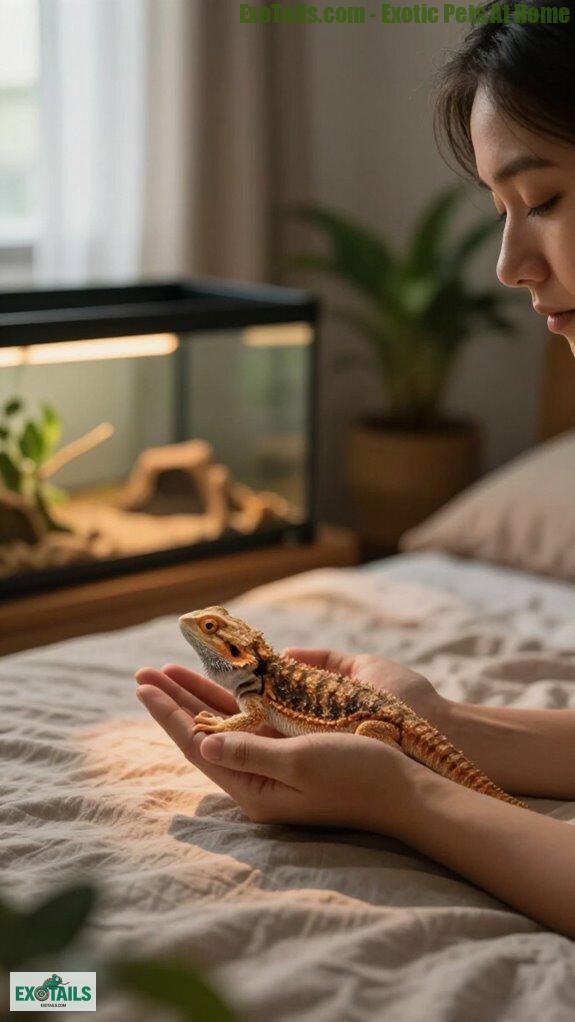
Dim the lights slightly and keep the room quiet—no blaring TV, no excited kids yelling, no sudden movements nearby.
I’ve learned that preparation techniques make all the difference when handling baby dragons. A calm environment means your little reptile won’t bolt like you’ve suddenly turned into a predator.
Before each session, I check that temperatures are stable and my hands are warm. Remove distractions, silence your phone, and give your dragon time to acclimate.
Think of it this way: would you want handling during a rock concert? Your baby dragon feels the same energy you project. Creating this peaceful space builds trust naturally.
Socialize Your Baby Dragon With Different People and Spaces
Introducing your baby dragon to different people and environments is like opening a whole new world of confidence for your scaly friend.
I’ve learned that gentle introductions through exposure variety make all the difference. Start by inviting one trusted person at a time—no dragon pep rallies, please. Let visitors sit quietly nearby while you hand-feed your baby.
Gradually expand their world: new rooms, different lighting, varied textures underfoot.
Think of it as interior design for their comfort zone. Each new space builds resilience.
Want a genuinely confident dragon? Consistency plus patience equals a social superstar who won’t faint at the sight of visitors.
Handle Fear, Aggression, and Common Behavioral Problems
Even the sweetest baby dragon can hit a rough patch—maybe they’re hissing like a tiny dinosaur, refusing to eat, or acting jumpier than a cat in a bathtub.
Here’s the thing: fearful reactions and aggressive tendencies usually signal stress, not meanness. I’ve learned watching my dragons that behavioral cues matter—a puffed beard means “back off,” not “come closer.” For particularly anxious specimens, consider exploring natural calming supplements derived from herbal sources commonly used in exotic animal care.
Calm your approach first. Slow movements, gentle voice, minimal handling. Let them acclimate before expecting friendship.
Recognize their handling preferences through observation. Some prefer tong-feeding; others need enclosure time.
Stress management means respecting their pace, not forcing bonding. Patience wins every time.
With proper attention to stress signals, a bearded dragon can live 10 to 15 years in captivity, making those early handling experiences foundational to a long-term bond.
Dragon Egg Incubation Techniques
I’ve learned that maintaining stable incubation conditions is non-negotiable. Your temperature control setup should hover between 82-88°F consistently—no wild fluctuations allowed. Selecting one of the recommended best bearded dragon egg incubators ensures you start with reliable equipment designed for this exact purpose.
I use a reliable thermostat in my incubator because guessing games end poorly. Incubator selection directly impacts your hatch rate success and overall breeding outcomes.
You’ll also need 60-80% humidity levels. Pair your incubator with a hygrometer, keep substrate moist (not soggy), and monitor daily.
Ready to welcome hatchlings? Your precision now determines healthy babies later.
Essential Incubation Equipment Guide
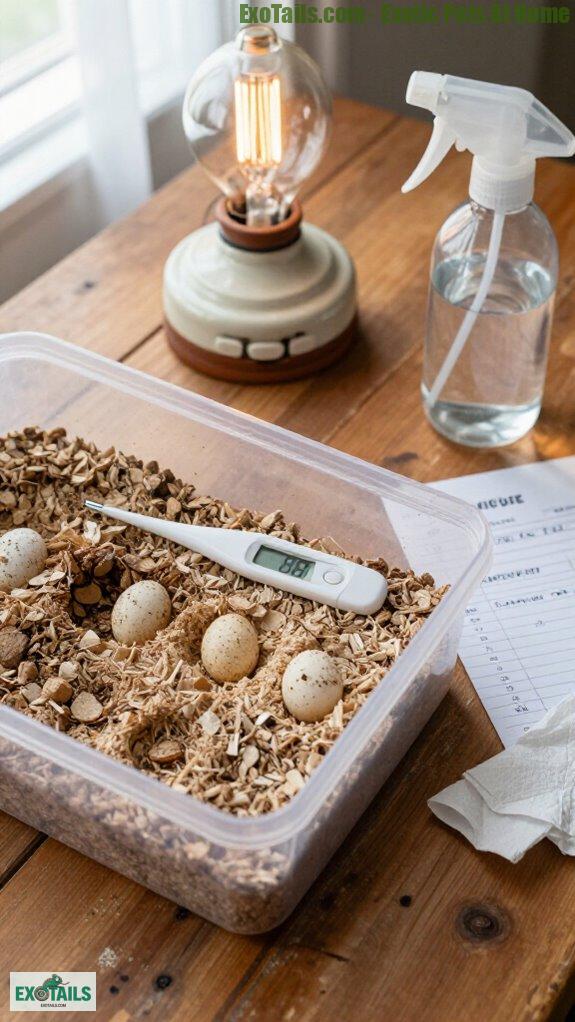
You’ve nailed the temperature and humidity game—now let’s talk about the gear that’ll actually make it happen.
I’ve learned that quality equipment isn’t luxury—it’s insurance for your dragon’s survival. Here’s what you’ll need:
- Reliable incubator with precise temperature control that keeps your eggs at exactly the right heat without wild fluctuations.
- Digital humidity gauge so you’re not guessing whether conditions are safe or dangerous.
- Thermostat and heating pad combo that prevents catastrophic temperature swings.
Don’t cheap out here.
I’ve decorated reptile rooms with professional-grade setups, and honestly? They’re worth every penny.
Your babies deserve equipment that works flawlessly, keeping incubator temperature steady and humidity balanced perfectly throughout those critical weeks.
FAQ
What Body Weight Should My Baby Dragon Reach Before Reducing Vegetable Feeding Frequency?
I’d reduce your baby dragon’s vegetable feeding schedule once they’ve reached 30 grams. At this ideal weight, you’ll shift from daily vegetation to every-other-day feeding, establishing a sustainable feeding schedule that supports their healthy growth.
How Can I Transport My Baby Dragon Safely Without Causing Stress or Injury?
I’ll place my baby dragon in a secure container—a dragon carrier designed for safe transport. I’m careful with travel tips: keeping it dark, well-ventilated, and temperature-controlled to minimize stress during movement.
What Temperature Should My Basking Spot Maintain for Optimal Baby Dragon Health?
I’d maintain your baby dragon’s basking spot between 95-100°F maximum. You’ll want to create temperature gradients using appropriate basking materials, ensuring cool areas nearby prevent overheating and dehydration risks.
Can I Hand-Feed My Baby Dragon to Build Comfort and Bonding Faster?
Yes, I recommend hand-feeding your baby dragon with tongs—it’s an excellent bonding technique. Feed fresh vegetation daily until 30g body weight, then every other day. This builds comfort with your hands safely and strengthens your connection.
How Long Should I Wait Before Handling My Newly Acquired Baby Dragon?
I’d recommend waiting two weeks before you begin initial handling. This settle-in period lets your baby dragon acclimate safely. At the ideal age of six weeks, I’d limit handling to once weekly until they’re comfortable and feeding regularly.
References
- https://www.youtube.com/shorts/2mKVKNarQZY
- https://www.youtube.com/watch?v=Yxbs49wxEZw
- https://www.lllreptile.com/articles/159-tips-for-raising-baby-bearded-dragons-in-captivity
- https://www.youtube.com/watch?v=3RL0BmLejtw
- https://www.reptiles.swelluk.com/help-guides/how-to-handle-a-bearded-dragon/
- https://reptifiles.com/bearded-dragon-care/bearded-dragon-body-language-taming-handling/