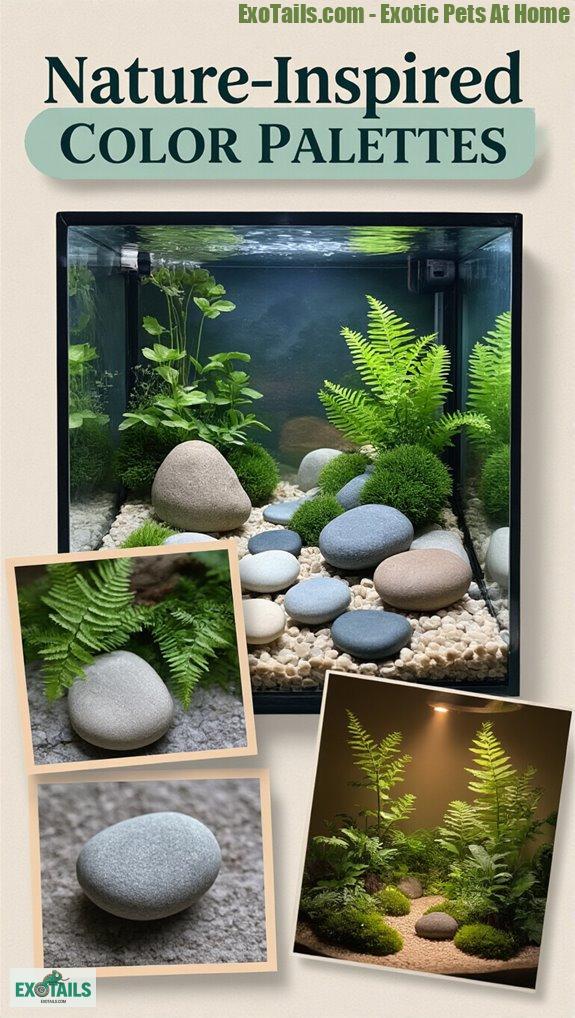
What Are Energy-Efficient LED Options for Pet Enclosures?
Brighten your pet’s enclosure while saving energy—discover the best LED options that keep your pets happy and safe!
Looking for energy-efficient LED options for pet enclosures? You’re in for a treat! These lights save energy—like, up to 65% less than traditional bulbs. They also stay cool, reducing burn risks for reptiles. Perfect, right?
Let me tell you about my axolotl, Mr. Wiggles. This little guy is my world! I want him to thrive, so I’ve made sure his home has the right lighting. With adjustable brightness, he gets cozy in his perfect spot. If you want to learn more about pet care, check out my blog, ExoTails!
A Bright Moment with Mr. Wiggles
One evening, I was adjusting Mr. Wiggles’ LED light.
I dimmed it low for him to relax. Watching him glide effortlessly in his tank, I realized how much those lights mattered. They supported his natural behaviors, and in that moment, our bond felt stronger.
Quick Takeaways
- LED lighting uses 65% less electricity than traditional bulbs, making it highly energy-efficient for pet enclosures.
- Adjustable brightness in LED lights allows pets to experience natural light and shade cycles, enhancing their well-being.
- LEDs emit minimal heat, reducing the risk of burns for reptiles and maintaining a safe habitat.
- The long lifespan of LED bulbs, up to 50,000 hours, reduces the frequency and cost of replacements.
- Energy-efficient LED systems contribute to significant cost savings on energy bills while supporting optimal conditions for pets.
Benefits of LED Lighting for Pet Enclosures
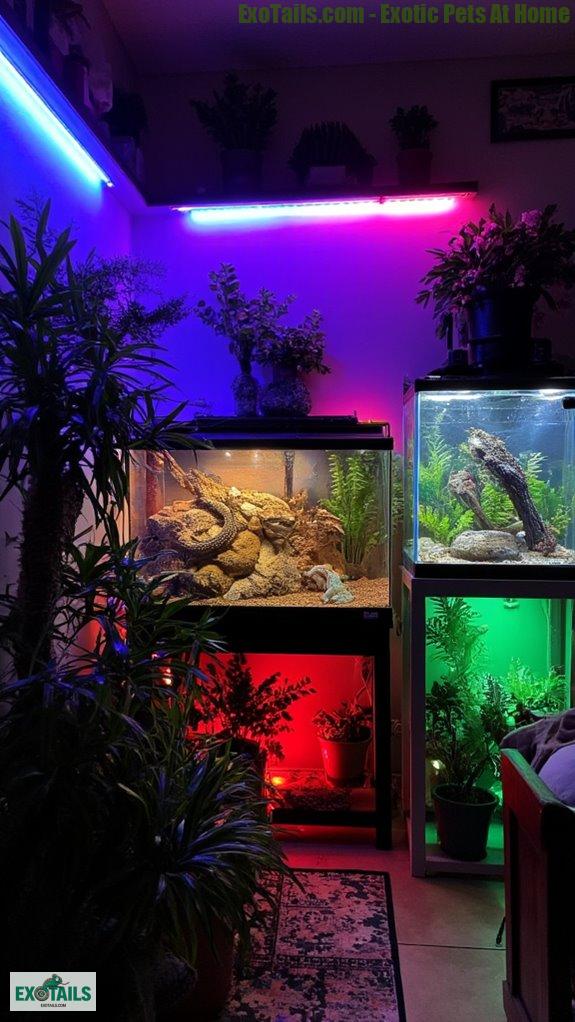
When it comes to lighting pet enclosures, you might be wondering why LED lights are all the rage—and trust me, there are good reasons! LED advantages include energy efficiency, using 65% less electricity compared to old-school bulbs. This means lower bills and happier pets! Plus, LEDs emit minimal heat, keeping my reptiles safe from burns. I can adjust brightness, which helps with their natural behaviors—who knew lighting could be so exciting? Providing proper lighting setups allows my reptiles to regulate their exposure through light and shade, enhancing their quality of life. Additionally, an effective lighting scheme is essential for moonlight simulation, which can help recreate the natural cycles that nocturnal pets rely on. For me, creating ExoTails stemmed from wanting my exotic pets comfortable and thriving. With LEDs, I’m not just saving money; I’m boosting animal wellbeing, all while looking stylish in my home.
Essential UVB and Spectrum Considerations for Reptiles
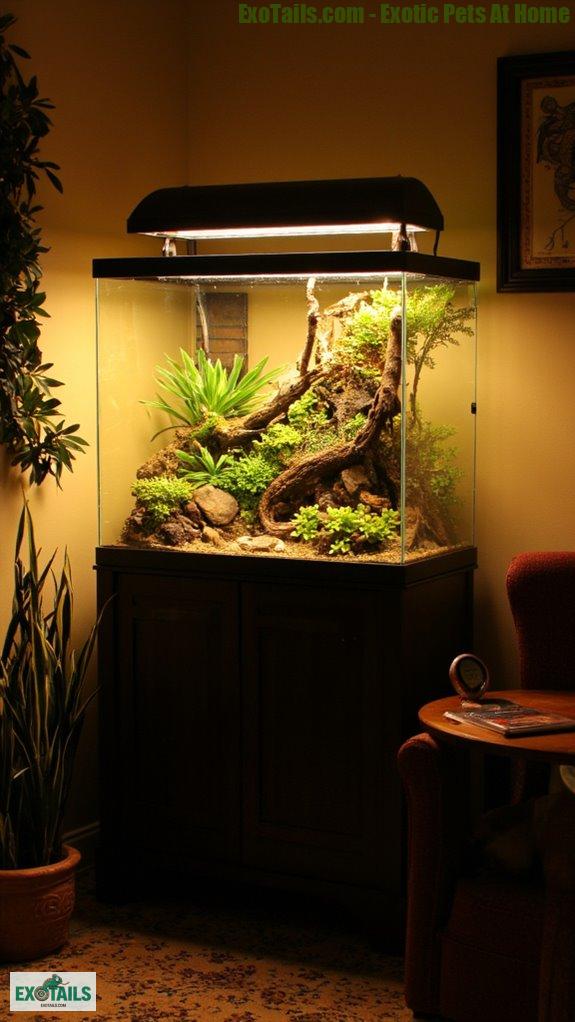
Understanding the essential UVB and spectrum considerations for reptiles is crucial to keeping them healthy and happy, wouldn’t you agree?
Here are some key points to keep in mind:
- UVB wavelengths should be 290-320 nanometers for vitamin D3 production.
- Different reptiles have unique UVB requirements, so don’t skimp on the research! For example, some desert reptiles may require higher UVB levels due to their natural habitat exposure.
- UVB lights need to be replaced every six to twelve months.
- Utilizing a UV index meter can help with spectrum analysis to promote your reptile’s well-being. Proper UV light exposure is vital in preventing metabolic bone disease (MBD).
Safety Features and Design Elements in LED Fixtures
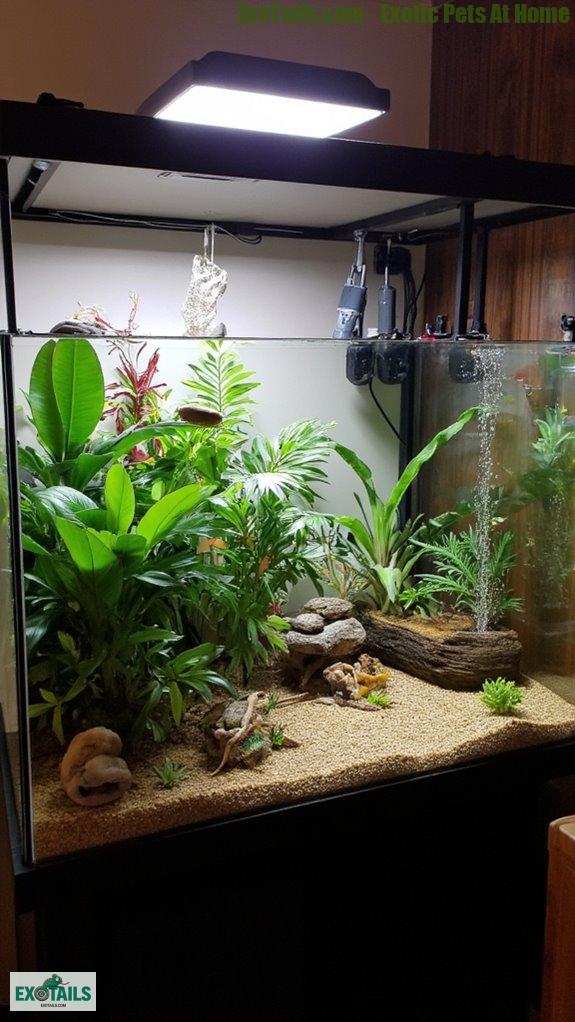
Keeping reptiles healthy means more than just providing the right light spectrum—it’s also about having safe and well-designed fixtures.
LED fixture safety is key, and I always opt for low voltage options to reduce the risk of electrical shock.
Secure cords? Absolutely! You don’t want a light show turned disaster.
And let’s not forget the design aesthetics! Slim profiles, adjustable mounts, and cascading light options make for a beautiful setup.
Ever tried fitting a bulky fixture in a cozy corner? A nightmare!
That’s why I created ExoTails, to share my love for exotic pets and stylish enclosures.
A well-designed fixture can also enhance genetic diversity in captive breeding environments by creating optimal living conditions for various species.
Let’s keep it safe and chic!
Heat Management and Environmental Control for Reptile Habitats
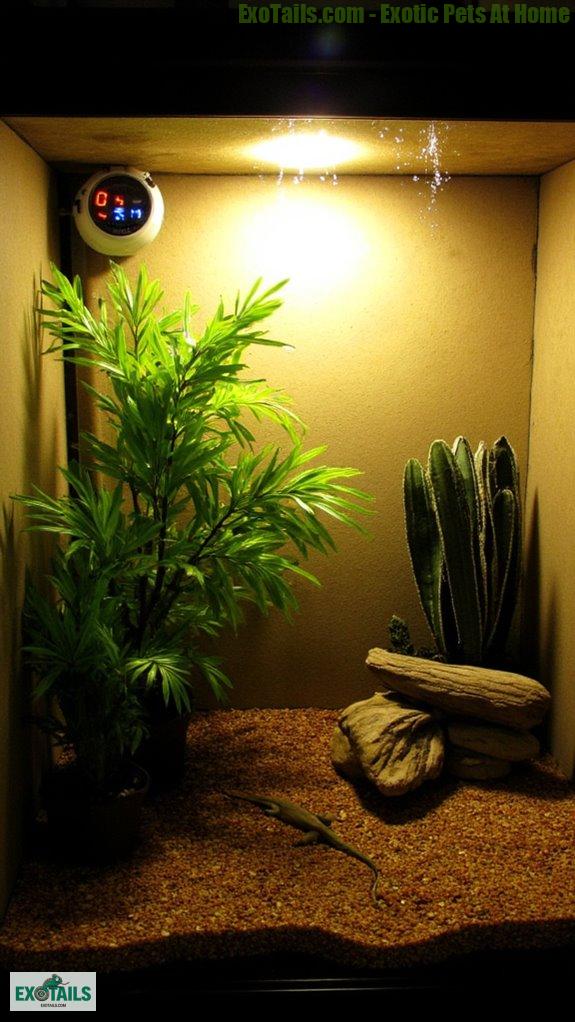
Creating the perfect environment for reptiles isn’t just about aesthetics; it’s all about temperature control and heat management!
To guarantee your scaly companions stay happy and healthy, focus on these four key areas:
- Establish a temperature gradient with basking spots and cooler zones for behavioral thermoregulation.
- Use reliable heat sources like ceramic emitters or under-tank heaters without compromising your LED setup.
- Implement humidity control with misters or damp substrates to keep things comfy.
- Monitor temperatures and humidity levels regularly to guarantee stability, preventing stress.
In addition to these factors, you should also consider investing in energy-efficient lighting options that support both temperature management and energy conservation.
Trust me, your reptiles will thank you!
After all, they deserve a fab living space too, right?
Cost Savings and Energy Efficiency of LED Systems
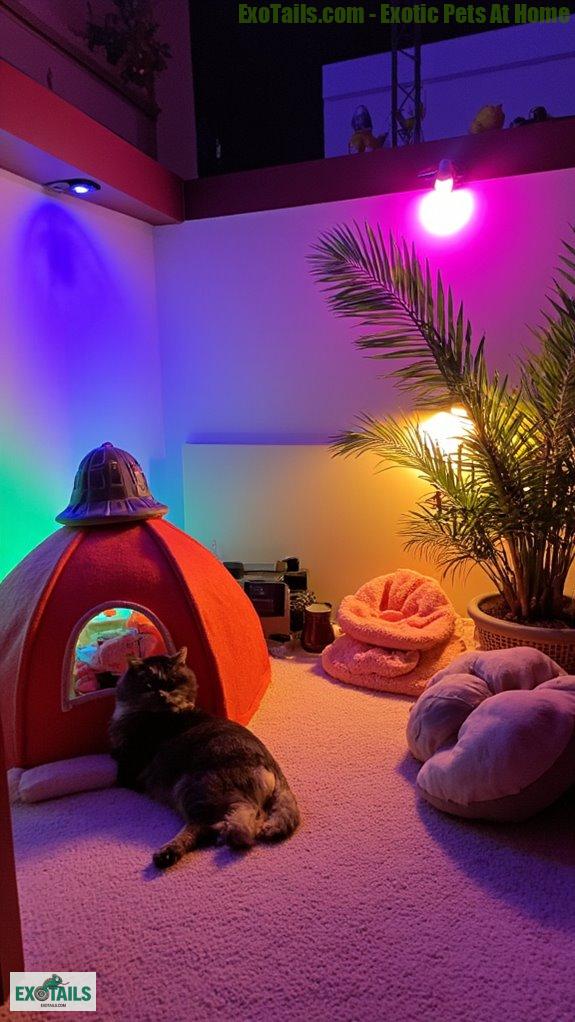
Although it might be tempting to stick with traditional lighting for your pet enclosures, let me tell you—you’ll be missing out on some serious cost savings and energy efficiency when you go LED.
Swapping to LEDs can slash your energy consumption by up to 50%, wow!
Plus, their lifespan stretches to 50,000 hours. Think of those long-term savings with fewer bulb changes and lower bills.
And let’s talk safety: less heat means happier, healthier pets!
Why juggle bulky, heat-emitting bulbs when you can create a cozy, efficient environment with LEDs?
Grab those lights and brighten up your pet’s world without breaking the bank!
My Axolotl at home
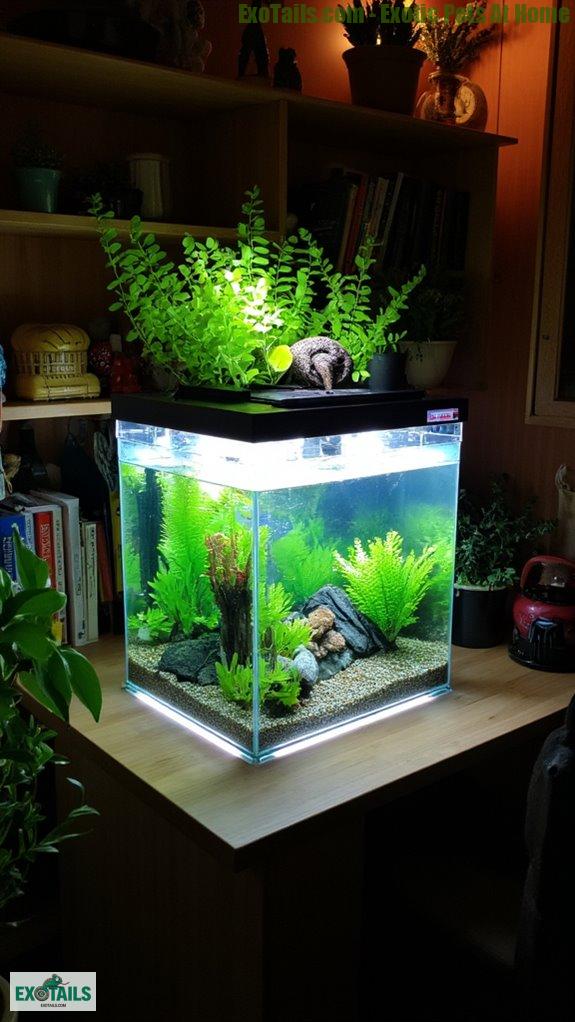
Bringing an axolotl into my home has been a delightful journey, like adopting a quirky aquatic roommate who enjoys lounging in cozy nooks rather than throwing wild parties.
To keep my axolotl happy, I’ve embraced these key lighting preferences:
- Dim LEDs reduce stress, perfect for nighttime creatures.
- Adjustable lights prevent eye strain, essential for their well-being.
- Floating plants offer shady retreats for when they need a break.
- Timers create natural light cycles, ensuring peace and comfort.
I’ve learned that taking care of an axolotl is all about respecting their quirky behaviors while keeping their environment cozy and safe!
References
- https://www.goodlight.co.uk/blog/award-winning-green-zoo-conserves-energy-by-installing-led-lighting/
- https://www.reptilebasics.com/led-cage-lighting/22-led-light/
- https://talis-us.com/blogs/news/best-led-uvb-light-options-for-reptile-terrariums-both-safe-and-stylish
- https://talis-us.com/blogs/news/led-light-for-snake-care
- https://www.beardeddragon.org/threads/full-spectrum-lighting.235017/
- https://www.goodlight.co.uk/led-lighting-for-zoos/
- https://fearfreepets.com/shelter-lighting/
- https://www.glightleds.com/blogs/knowledge-resource/are-led-strip-lights-safe-for-your-pets
- https://lafeber.com/vet/wp-content/uploads/2024/08/UVB-lighting-for-reptiles-Baines-LV-shorter-version-FINAL.pdf
- https://vcahospitals.com/know-your-pet/reptiles—proper-lighting