Safe Decorative Elements for Tropical Terrarium Pets: How-To Guide
Optimize your tropical terrarium with safe decorative elements that keep your pets happy; discover essential tips to elevate your exotic habitat’s aesthetics!
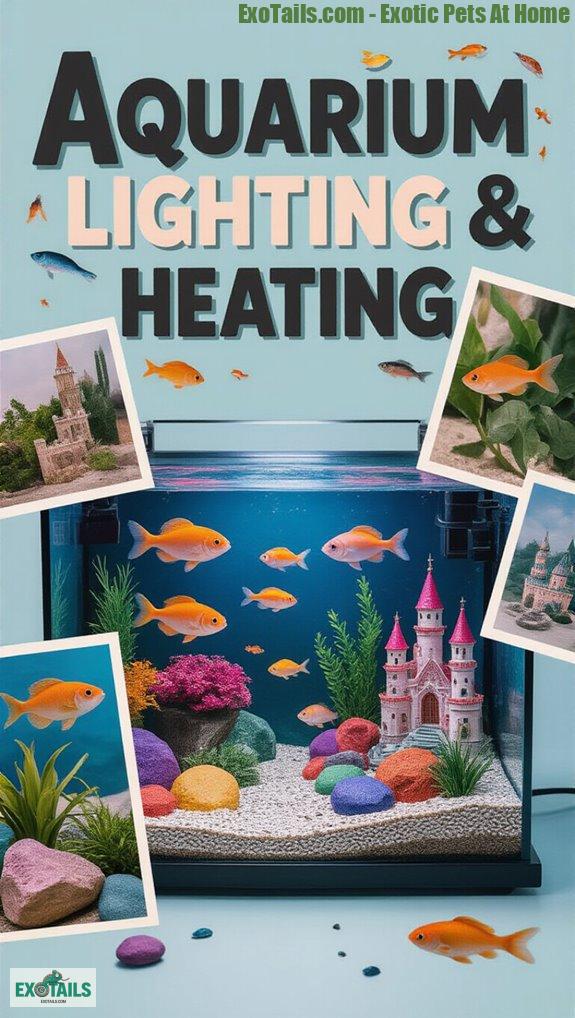
When creating a tropical terrarium for your pets, it’s essential to choose decorative elements that are safe and stylish. Consider natural materials like smooth rocks and non-toxic plants, such as spider plants or pothos. Opt for safe wood types like cork to avoid harmful treatments. You’ll also want to create cozy spots with coconut coir or sphagnum moss. I’ve seen firsthand how these choices not only keep pets happy but also create an eye-catching display. Want to keep your exotic habitat thriving? Let’s explore more tips!
Quick Takeaways
- Select non-toxic plants like spider plants and pothos to ensure a safe and vibrant terrarium environment for pets.
- Incorporate smooth, polished stones and colorful lava rocks to enhance aesthetics while preventing climbing hazards.
- Use eco-friendly wood options such as cork and manzanita, which are safe for pets and add a tropical feel.
- Choose appropriate substrates like coconut coir and sphagnum moss to maintain humidity and create cozy spots for pets.
- Opt for decorative elements that showcase exotic pet habitats while emphasizing both style and safety.
Choosing Natural Materials for Terrarium Decor

When you’re crafting a tropical terrarium for your pets, choosing the right natural materials can feel a bit overwhelming, can’t it?
Crafting a tropical terrarium for your pets can feel like a delightful challenge—let the natural material hunt begin!
I mean, do I pick that smooth rock or the slightly jagged one that looks like it could judge my life decisions?
Look for eco-friendly options like bamboo or coconut husks—trust me, your critters will love living in their fancy little paradise.
Using natural resources keeps things safe and stylish. Plus, who doesn’t want to brag about their exotic pet’s chic habitat on Instagram?
Selecting Non-Toxic Plants for Your Tropical Habitat

Picking the right materials for your tropical terrarium is just the beginning of creating a safe paradise for your pets.
Now, let’s talk pet safe greenery!
When choosing plants, think beneficial plant choices that won’t turn your little buddies into um, gourmet meals.
Plants like spider plants and pothos not only look fab, but they won’t send your critters into a panic.
Plus, they’re low-maintenance, which is perfect for a busy pet owner like me!
Safe Rocks and Stones to Enhance Your Terrarium

Adding safe rocks and stones to your tropical terrarium can transform it from basic to breathtaking!
Transform your tropical terrarium from basic to breathtaking with the perfect blend of safe rocks and stones!
Who doesn’t love a little natural bling? I mean, colorful rock selections can turn a bland scene into a party for your eyes.
When looking for safe gravel options, stick to polished stones or even lava rocks—because who wants a pet that thinks they’re a mountain climber?
Trust me, I’ve seen my fair share of mishaps with exotic pets and decor choices! So, let’s elevate your terrarium game together, shall we?
Just think of those delightful critters admiring their stylish new digs while you sip your tea!
Incorporating Wood That’S Safe for Pets

Sure, let’s get those tropical terrarium vibes happening with some seriously stylish wood!
When picking wood, think bark types like cork or manzanita. They’re not just pretty – they’re safe for your pets too. I mean, who wants their little critter to have a bad day because they chewed on the wrong piece of wood, right?
Don’t forget about wood treatments! Steer clear of chemicals; your pets aren’t fans of toxic surprises, and let’s be real, I wouldn’t want that for my exotic pets either.
Take it from someone who built ExoTails: happy pets make for a happier home – and decor that doesn’t stank!
Creative Use of Substrates and Bedding

While it might seem like just dirt at first glance, the right substrate can transform your terrarium into a lively oasis for your tropical pets.
Ever considered using coconut coir or sphagnum moss? These substrate types aren’t just fancy names; they keep humidity levels perfect for your little buddies.
For bedding materials, my go-to are leaf litter and organic mulch—perfect for snuggling and hiding!
Trust me, when I first dove into this exotic pet world, I was baffled. Make your critters happy with substrate party vibes! What’s better than a comfy burrow? I mean, who doesn’t love a cozy spot?
Understanding the Benefits of Hiding Spots

When you create a nurturing habitat for your tropical pets, hiding spots aren’t just a luxury; they’re a necessity that can take your terrarium game to the next level.
Think about it: would you want to hang out in the open, or would you prefer a cozy nook?
Hiding spot benefits include reducing stress and boosting pet comfort, making your scaly or furry friends feel safe and sound.
I learned this the hard way—my first pet just freaked out without places to hide!
Fun and Safe Decorative Ornaments

Creating cozy hiding spots is just the beginning of setting up a vibrant tropical terrarium for your pets.
Once your pets feel snug, it’s time to plunge into DIY terrarium accessories that pack a punch of fun and flair!
Consider adding these safe decorative items:
- Colorful food-safe stones
- Cute ceramic critters
- Natural driftwood pieces
- Bubbly water-safe plants
- Whimsical resin shapes
I bet your pets will be so entertained they might just start a home decor Instagram account!
Just keep in mind, safety first—no hazards allowed in their tropical paradise, unless it’s a crumby old sock (that might just be my foot’s fault)!
Using Live Décor for a Thriving Ecosystem

If you’re looking to elevate your tropical terrarium game, incorporating live décor might just be your ticket to success!
Imagine your pets basking in a mini jungle, with real plants enriching their world. The live décor benefits include not just aesthetics, but also a natural habitat that promotes ecosystem balance.
Plants filter toxins, adding fresh oxygen, which is handy for your scaly pals—bonus points for less pet odor!
Trust me, nurturing these green beauties can turn your terrarium into a vibrant paradise.
Regular Maintenance and Safety Checks for Decorative Elements

While crafting a tropical paradise for your pets is incredibly rewarding, keeping that paradise in tip-top shape is just as important.
You wouldn’t want your furry friends tripping over a rogue rock or sipping water that’s suspiciously murky.
Set reminders for your routine inspections!
- Look for sharp edges or loose bits
- Check for moldy decorations
- Verify plants aren’t toxic
- Clear debris that’s not a part of the décor
- Assess moisture levels (because we’re not running a swamp here!)
Trust me, a bit of decorative safety goes a long way in keeping everyone happy and healthy!
Tropical Species in Your Home

In my quest to bring a slice of the tropics into my home, I’ve discovered that choosing the right tropical species can truly transform your space into a vibrant oasis.
Bringing tropical species home can turn your space into a lively oasis!
Think colorful frogs hopping around like they own the place or geckos pretending they’re supermodels on the rocks.
With some clever habitat enrichment, you can liven things up—just like I did when I started ExoTails!
Don’t forget, tropical pet care isn’t just about feeding; it’s about keeping your little furballs, or rather scaly friends, entertained. Additionally, maintaining a bioactive substrate can provide essential nutrients and support a healthy ecosystem for your terrarium inhabitants.
My Lively Axolotl Aquarium

Creating a lively axolotl aquarium feels a bit like diving into a magical underwater world, don’t you think?
With the right aquarium setup and axolotl care, your tank can become a whimsical wonderland.
Here’s what I consider essential:
- A cozy hideout (because who doesn’t want privacy?)
- Colorful plants (they can’t just sit around like couch potatoes)
- Soft substrate (no one wants a backache in the tank)
- A gentle filter (think spa day for your axolotl)
- A few floating decorations (they love a little flair)
Incorporating axolotl-friendly plant options into your tank is a great way to enhance the aesthetics and provide additional hiding spots for your pet.
Trust me, with a splash of creativity, your axolotl will be living its best vida, making ExoTails proud!
Questions and Answers
Can I Use Synthetic Materials in My Terrarium Decor?
I wouldn’t risk it! Synthetic materials in my terrarium make me nervous. They could leach chemicals, compromising terrarium safety. My pets deserve better than a plastic jungle – they prefer real plants and maybe a rock star!
How Often Should I Replace Decorative Elements in My Terrarium?
Keeping my terrarium fresh is like changing my socks—just as important! I aim for a replacement schedule every six months for decorative upkeep. Trust me, your plants and pets will thank you for the effort!
Are There Any Color Options That Are Safer for Pets?
When I choose colors for my terrarium, I stick to safe color options using pet-friendly pigments. Who knew my decor could look fabulous and keep my critters safe? Talk about a win-win situation!
What Are Common Signs of Decorative Element Toxicity in Pets?
When my pets start acting like they’re auditioning for a horror movie—twitching, vomiting, or hiding—I know toxicity symptoms might be lurking. Always watch for pet reactions; it’s better to be safe than sorry!
Can I Mix Different Types of Plants and Decorations Safely?
Mixing plants and decorations is a wild ride! As long as I focus on plant compatibility and pet safety, I’m good. Just envision my critters lounging under a botanical party like it’s a vacation!