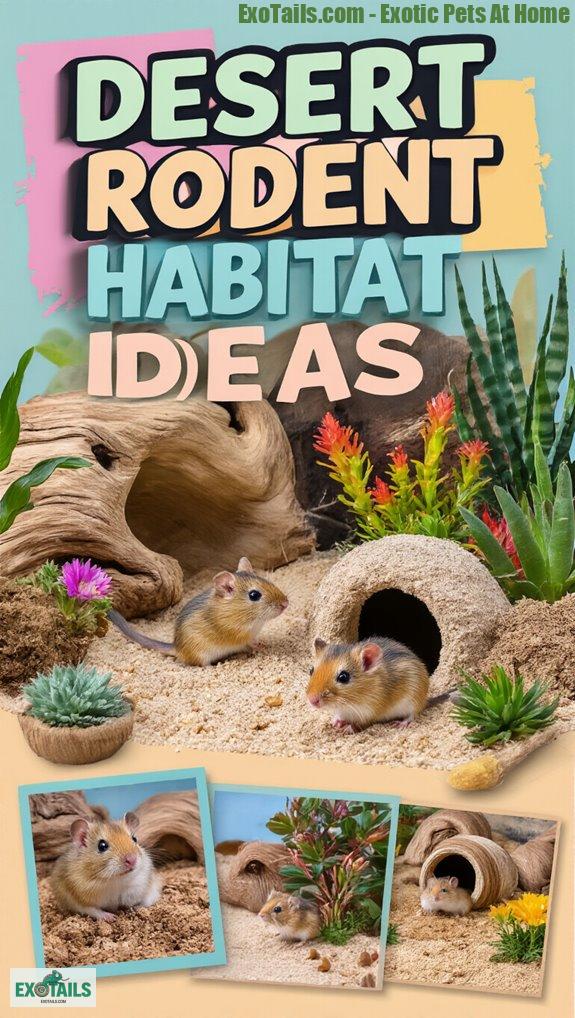
Desert Rodent Habitat: 10 Design and Decor Tips
Navigate the essentials of creating a vibrant desert rodent habitat; your furry friends will thank you for the comforts they’ll discover inside!
Creating a perfect habitat for your desert rodents can be a blast! Start with a spacious enclosure to avoid that “sad little hamster” vibe. Add cozy hiding spots using soft bedding and fun tunnels. Incorporate natural materials like logs for a touch of adventure. Don’t forget climbing structures and enrichment activities; boredom’s no fun, right? Earthy colors can tie it all together. Trust me, you won’t believe how happy your furry friends can be—stick around, and I’ll share more tips!
Quick Takeaways
- Choose a spacious enclosure made from sturdy materials to prevent escape and promote exploration for your desert rodents.
- Include cozy hiding spots using soft nesting materials and tunnels to mimic natural behaviors and ensure comfort.
- Incorporate natural materials like logs and rocks for aesthetic appeal and to enhance the habitat’s texture and adventure opportunities.
- Maintain proper temperature and hydration, offering diverse water features while regularly checking for health and cleanliness.
- Add climbing structures and enrichment activities to promote physical fitness, prevent boredom, and encourage social interactions among rodents.
Choose the Right Enclosure
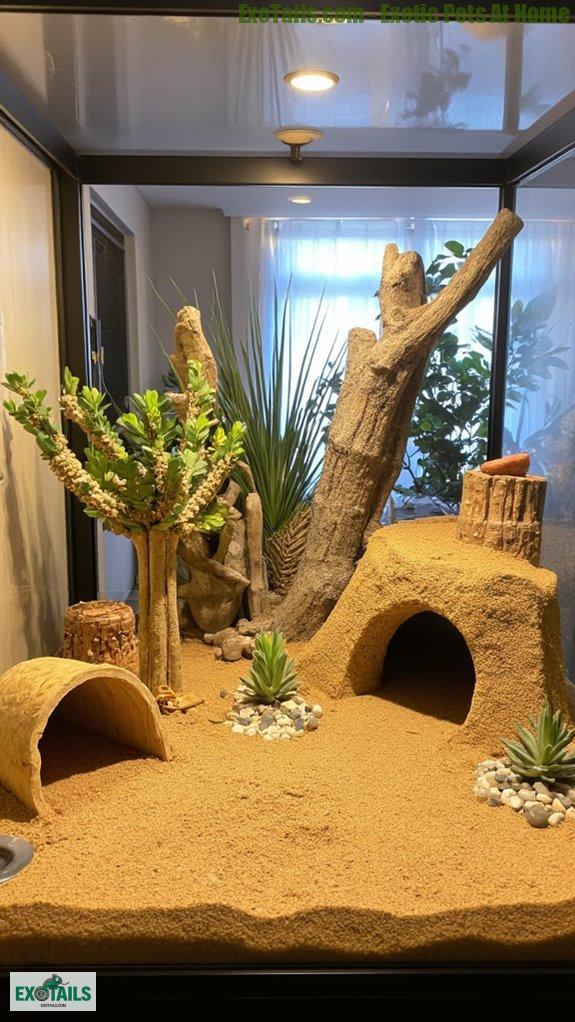
When choosing the right enclosure for your desert rodent, keep in mind this: size really does matter!
You wouldn’t cram a rhinoceros into a shoebox, right? So, why would you skimp on your furry friend’s space?
A larger enclosure size gives them room to wiggle and explore, avoiding that “sad little hamster” syndrome.
Plus, think about enclosure materials—something sturdy is a must! You don’t want rodent Houdinis escaping every chance they get.
With my experience from ExoTails and attempting to blend exotic pets with home decor, I can assure you, a happy critter means a happier you!
Create Hiding Spots
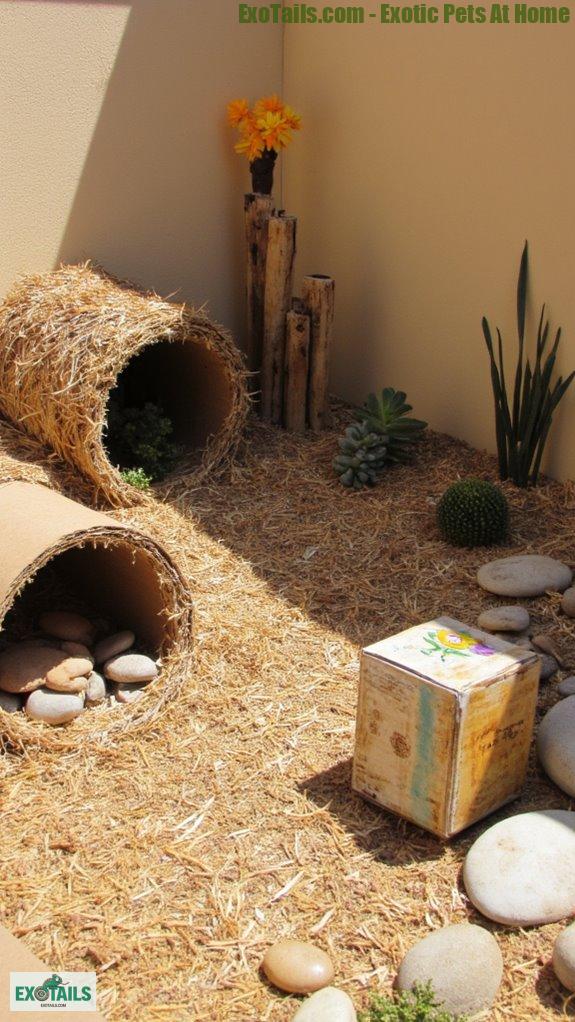
Creating hiding spots for your desert rodent isn’t just a fun thing to do; it’s essential for their well-being!
Crafting cozy hiding spots for your desert rodent isn’t just playful—it’s crucial for their happiness and health!
Think about it: rodents love to feel secure, right? So, let’s make their home cozy and full of surprises.
- Soft nesting materials like shredded paper and hay
- Cheeky tunnels made from cardboard
- Sneaky escape routes beneath rocks and decor
Your furry friend will appreciate these little nooks, trust me!
I learned this from setting up my own exotic pet habitats at ExoTails, where I realized rodents can be diva-like. Who knew they’d prefer a penthouse suite over a cozy shoebox?!
Incorporate Natural Materials
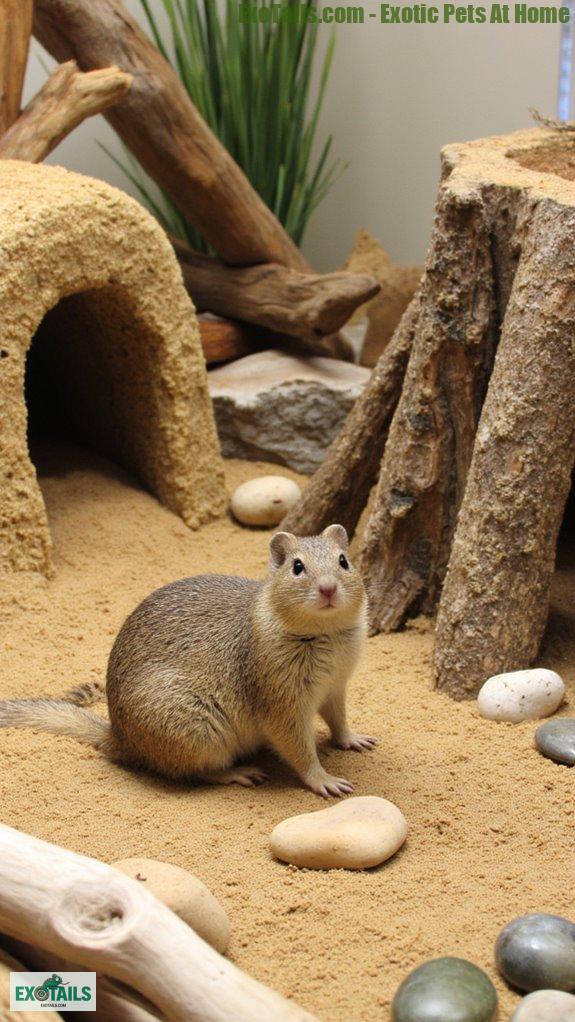
Incorporating natural materials into your desert rodent’s habitat not only enhances its beauty but also turns it into a playful paradise for your little explorer.
Think about using logs, rocks, and grasses—who knew nature threw such a fabulous party?
These natural textures inspire adventure, while sustainable sourcing means you’re not just a decorator but a planet-saver, too!
Ever seen a rodent scale a twig like it’s Mount Everest? Makes me chuckle just thinking about it!
At ExoTails, I’ve learned that a touch of nature keeps our fuzzy friends happy, healthy, and ready for their next great escape—or should I say, adventure?
Use Appropriate Substrates
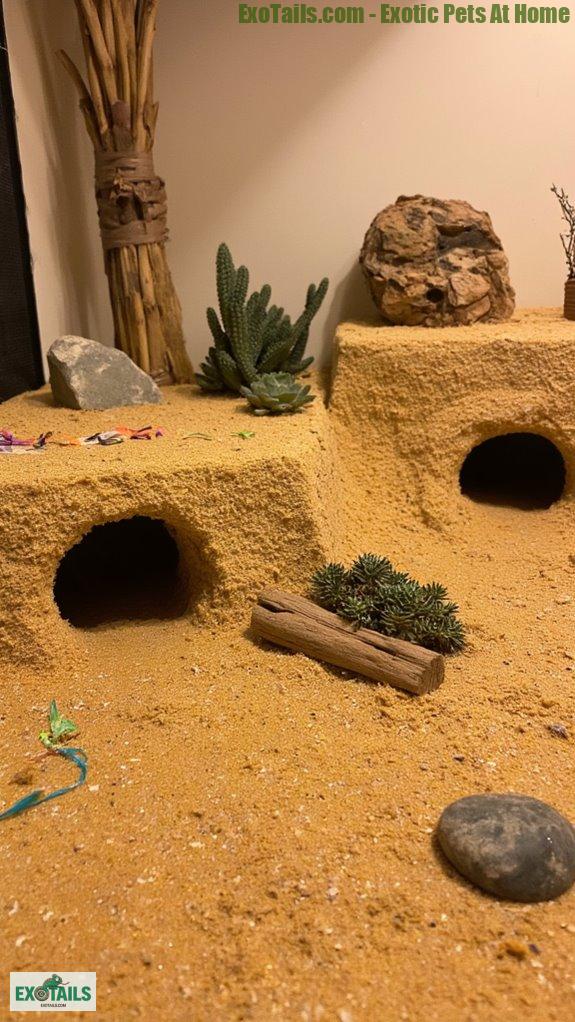
Using the right substrates can make your desert rodent’s habitat feel like home sweet home—don’t you just love it when everything clicks?
Think about it:
- Cozy sand that mimics their natural burrows
- Tiny pebbles to keep it stylish and functional
- Soft, fluffy layers perfect for napping (because who doesn’t love a good snooze?)
When I worked with exotic pets, I realized habitat layering with desert substrates truly brings their world to life.
So, let’s make it a cozy retreat for our little critters.
After all, nobody wants a rodent nesting in a bland box, right?
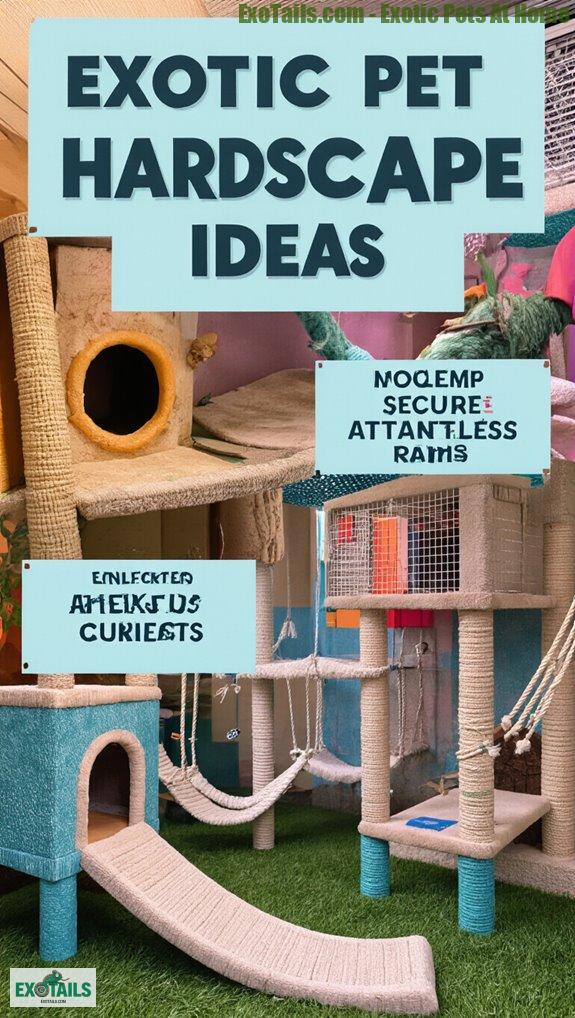
Provide Climbing Structures

Have you ever watched a little desert rodent climb as if it’s auditioning for the next Olympic Games? It’s adorable, right?
To fuel these furry acrobats, you’ve gotta provide climbing surfaces! Think ramps, rocks, and logs. They’re not just for show; they crave that vertical space to channel their inner Cirque du Soleil performer.
Providing climbing surfaces like ramps, rocks, and logs fuels their acrobatic nature and enhances their happiness!
Trust me, adding these structures isn’t just fun for them; it enhances their environment too!
Plus, it’s great entertainment. I’ve got a few in my own exotic pet space, inspiring my passion for habitats and décor.
Add Realistic Decor
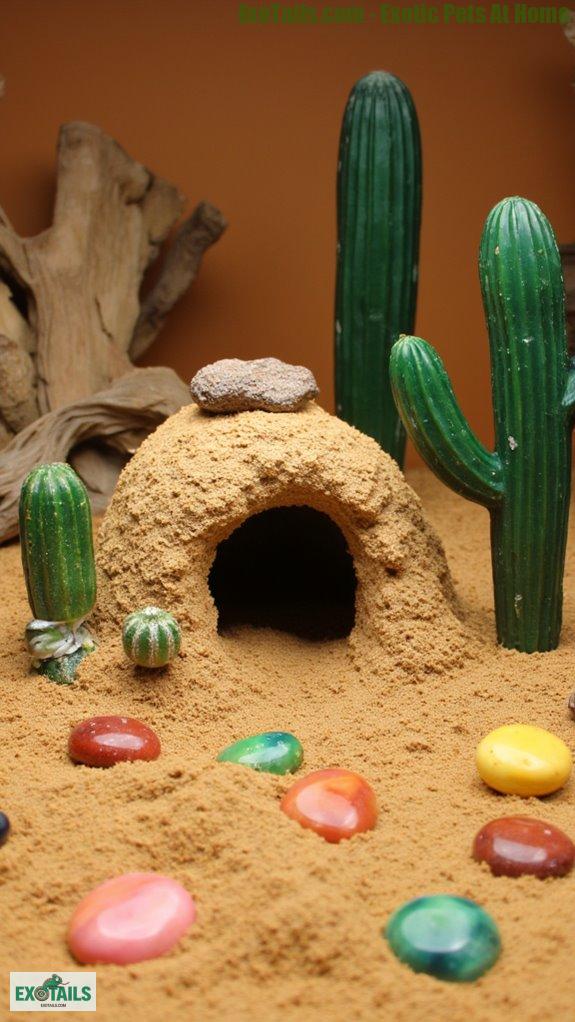
While you might think your desert rodent is just all about the climbing, adding realistic decor can take their habitat to a whole new level of awesomeness.
Trust me; it’s like upgrading from a cardboard box to a luxury penthouse!
Consider these fun decor ideas:
- Sandstone caves with realistic textures for hide-and-seek
- Faux cactus plants made of animal safe materials (because we don’t want any prickly business)
- Colorful pebbles that say “sophisticated snacker”
I created ExoTails because I get it—your furry friends deserve a chic space to strut their stuff.
Who said rodents can’t have style?
Optimize Temperature Control

Ensuring your desert rodent feels comfortable in their habitat is essential, especially when it comes to temperature control.
You’ve got to master those temperature regulation techniques!
Think of it as a seasonal temperature adjustment dance—smooth for summer and cozy for winter.
A little fan for warm days and a heat lamp for chilly nights will keep your furry friend from turning into a popsicle!
And believe me, no one wants that drama.
As a proud exotic pet owner, I created ExoTails to share these vital tips, because who knew keeping critters comfy could be this much fun?
Set Up Water Features
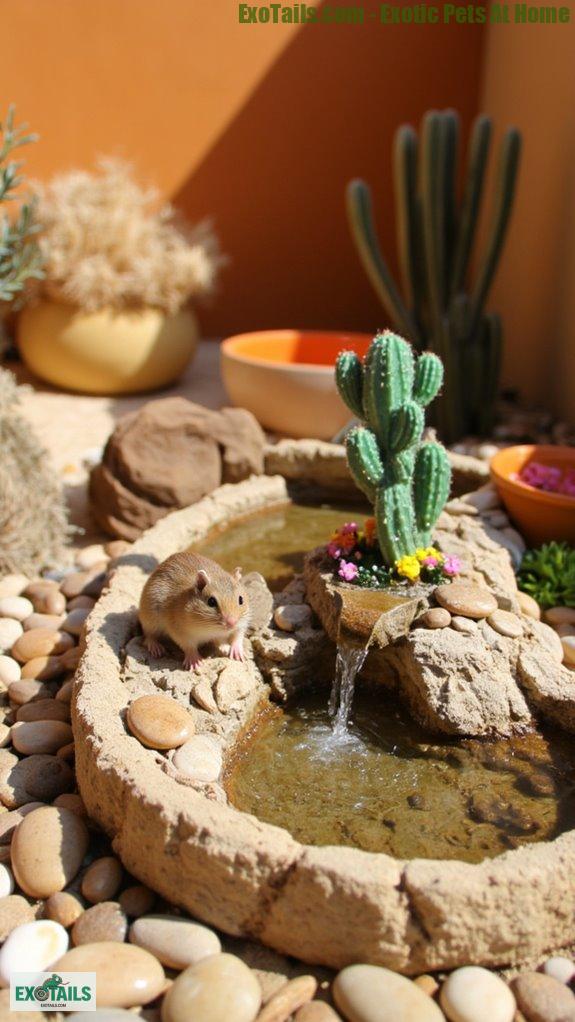
Creating a lively space for your desert rodent goes beyond temperature control—it’s time to think about water features!
Trust me, your little fluffball will appreciate some hydration options like:
- A charming mini pond for splashy fun
- A quirky water fountain for culinary hydration adventures
- A stylish bowl that’s as good looking as it’s functional
Make sure to clean these little havens regularly—nobody likes a murky mess!
Regular cleaning of these water features is essential—no one enjoys a grimy oasis!
Keep in mind, the right water source options help keep your critter happy and healthy, so don’t skimp.
With my experience in exotic pets, I’ve learned that a hydrated rodent is a happy rodent!
Include Enrichment Activities

Just because your desert rodent has a cozy habitat doesn’t mean it should settle for a boring life!
I mean, who wants a ho-hum rodent, right?
Spruce things up with some enrichment activities—think social interaction and fun foraging activities.
Hide tasty treats in different spots to turn lunchtime into an adventurous scavenger hunt.
You could even set up little tunnels for them to explore.
Trust me, those little guys love feeling like explorers!
As someone who’s wrangled exotic pets and home decor with my site ExoTails, I can tell you: a happy rodent means a happy owner!
Use Earthy Color Palettes
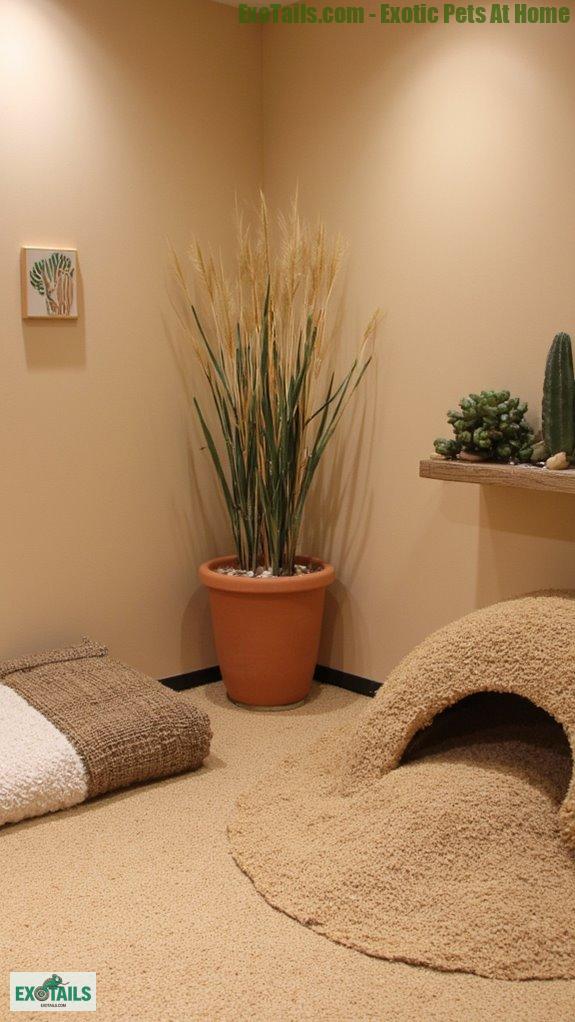
When it comes to decorating your desert rodent’s habitat, opting for an earthy color palette can work wonders—who knew colors could be so transformative?
Trust me, these hues can make your furball feel cozy and stylish, even if they’ve got a taste for digging up your houseplants.
- Sandy beige walls that say, “I live in the desert, but I’m fashionable!”
- Olive green accents to channel that ‘nature’ vibe while your pet contemplates life.
- Terracotta pots that scream, “Look at my earthy textures!”
Color psychology suggests that these tones soothe both our souls and our adorable little earth ninjas.
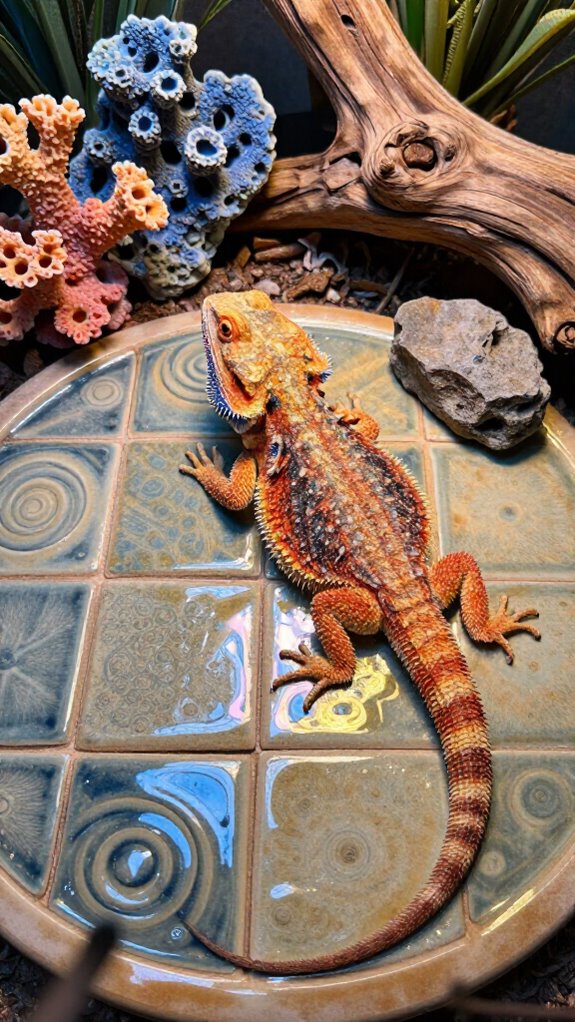
Rare Reptiles in Your Living Space
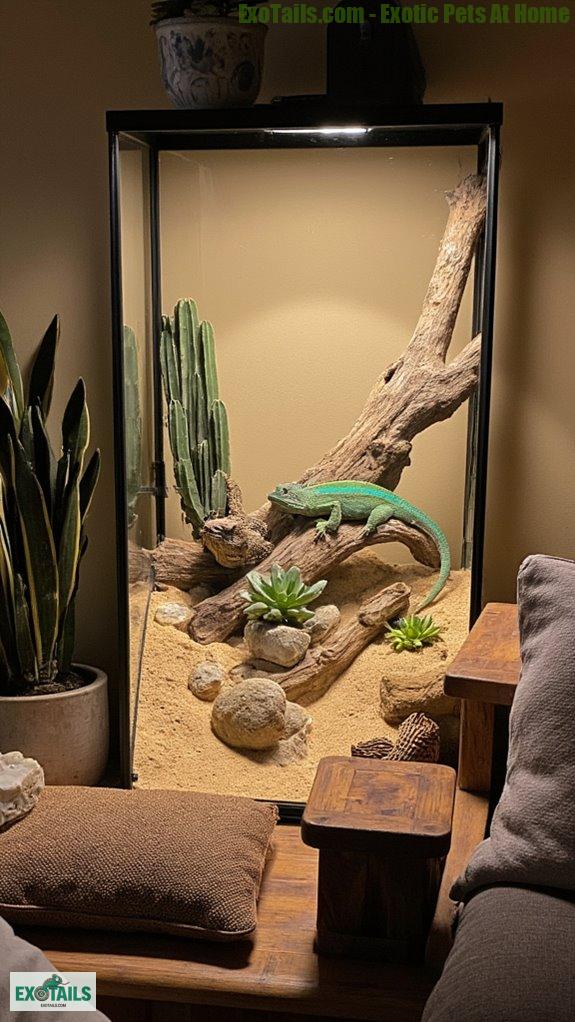
Although it might seem a bit unconventional to invite rare reptiles into your living space, I can assure you it’s an adventure worth taking!
Imagine beautifully designed snake habitats and lizard care becoming part of your interior decor. Who wouldn’t want a vibrant chameleon lounge or a majestic python corner, right?
Just think—you could be the life of the party! “Oh, my dinner guest? Just my rare lizard lounging on the sofa!”
Plus, I created ExoTails to share my love for exotic pets and home decor, proving that a little scaly fun can transform your home into a reptilian paradise! Choosing the right axolotl species can also enhance your home’s unique aesthetic and bring an aquatic touch to your decor.
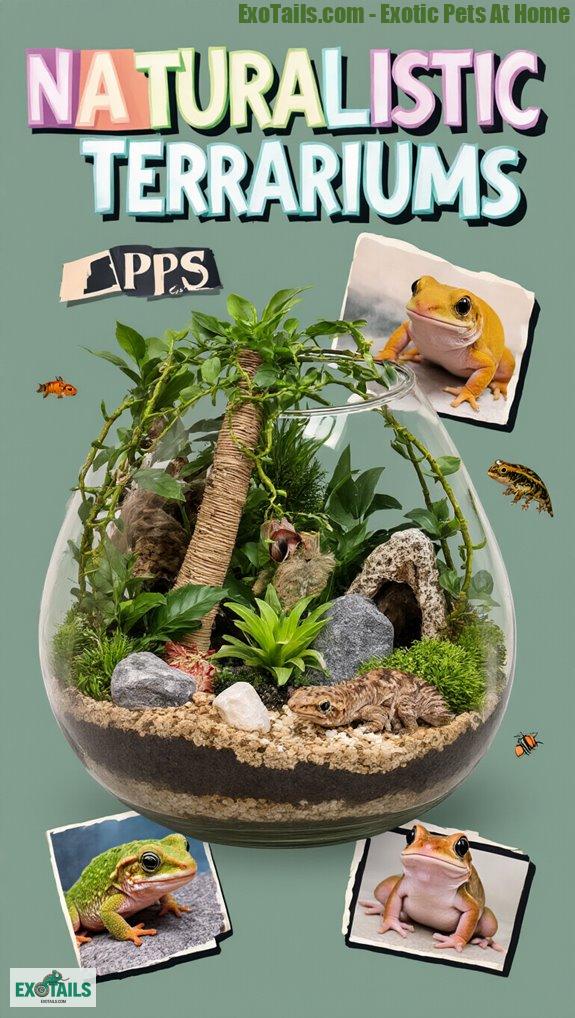
Axolotl in a Planted Tank
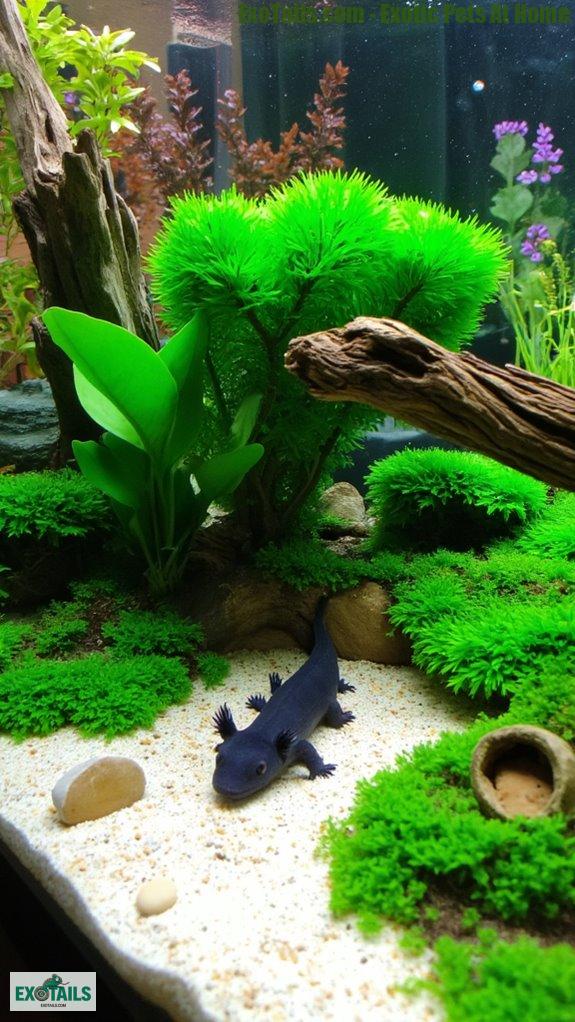
Creating an enchanting sanctuary for your axolotl in a planted tank isn’t just a delight—it’s a fantastic way to celebrate these whimsical creatures!
Imagine them frolicking among lush greens, like tiny underwater puppies. So, let’s deck out that tank!
- Floating plants for shade, because even axolotls deserve a break from the spotlight.
- Soft substrate to avoid any unwanted foot injuries—no one likes stubbed toes, right?
- Cozy hiding spots, because these little guys love to play peek-a-boo!
Adding axolotl-friendly plant options not only enhances the aesthetic of your tank but also contributes to the overall well-being of your pet. With a dash of finesse and some fun, you’ll nail that axolotl care while showing off a planted tank that anyone would envy!
Questions and Answers
Can Desert Rodents Live With Other Pets in the Same Habitat?
Honestly, I wouldn’t recommend mixing desert rodents with other pets. It’s a recipe for confusion! If I were you, I’d stick to clear interaction guidelines and check habitat compatibility first—trust me, it saves stress and drama!
How Often Should I Clean My Desert Rodent’s Enclosure?
Visualize a tiny tornado spinning in a whirlwind of fluff! I clean my desert rodent’s enclosure every week, maintaining a strict cleaning schedule to keep that little chaos contained and their home sparkling like new!
What Is the Lifespan of Common Desert Rodents?
So, you’re curious about the lifespan of common desert rodents? Well, it varies! Typically, they live about 2 to 5 years, depending on species and habitat requirements. That’s not long, but they sure pack a lot of mischief in!
Are There Specific Diet Needs for Desert Rodents?
Desert rodents have unique nutritional requirements. They munch on seeds, fruits, and greens—definitely no pizza parties for them! Just envision a little critter eyeing a veggie platter instead of a slice!
What Are the Signs of Stress in Desert Rodents?
When it comes to identifying stress in desert rodents, I’ve noticed some quirky stress behaviors. They can freak out over environmental triggers, like sudden noises or a cat-shaped shadow—it’s like living with a furry diva!